

In 30 seconds
Evidence: In a 2005 trial (Neychev & Mitev), Tribulus was not associated with any change in testosterone at the doses studied — trial evidence, not a claim about this product.
Timing: Testosterone levels shift naturally with age, sleep, body composition and training over weeks and years, not with any single herbal ingredient.
Next step: A baseline testosterone test — via your GP or a UK service such as Medichecks — gives you your own numbers to track over time.
Tribulus Terrestris is one of the most heavily marketed herbs in the men’s supplement aisle, usually sold on the promise of higher testosterone. Here is the honest summary up front: robust human evidence for a testosterone effect in healthy men is lacking. The herb does have a small body of trials around sexual function and some animal data, but the popular “testosterone” headline is not supported by the better-quality human studies. This UK guide explains what Tribulus is, what is actually inside it, what the trials show (and do not show), how it is dosed, whether it is safe, and how it compares to better-studied men’s herbs.
- Tribulus Terrestris (“puncture vine”) is a herb whose active compounds are steroidal saponins, the best-known of which is protodioscin.
- The testosterone claim is weak. Higher-quality human trials have generally not found a meaningful rise in testosterone in healthy men — for example, in Neychev & Mitev (2005, n=21) Tribulus was not associated with any change in testosterone at the doses studied.
- Some sexual-function trials exist: in a 2017 RCT in men (Kamenov et al.), Tribulus was associated with improvements in self-reported sexual function questionnaire scores at the dose studied — an ingredient finding, not a product claim.
- Typical traditional dosing is 250–1,500mg/day of extract, often standardised to 40–60% saponins.
- Generally well tolerated short-term; rare case reports of liver/kidney issues exist, so quality and sourcing matter.
- Tribulus has no authorised EFSA health claim, so no benefit can be stated as a product claim — only as a disclaimed trial finding.
What Is Tribulus Terrestris?
Tribulus Terrestris is a small leafy plant in the caltrop family, found across southern Europe, Africa, the Middle East, southern Asia and Australia. Its common English name, “puncture vine”, comes from the hard, spiny seed pods that can puncture bare feet and bicycle tyres. The fruit, leaf and root have all been used in traditional Ayurvedic and Chinese herbal practice, often in the context of general male wellbeing.
In the modern supplement market, Tribulus is usually sold as a standardised dry extract in capsule or tablet form, frequently as part of a multi-ingredient “men’s” formula. It is worth separating two things from the start: traditional use, which is broad and historical, and clinical evidence, which is narrow and mixed. Most of the marketing leans on the first while implying the second.
What’s in It: Saponins and Protodioscin
The compounds that get the attention are steroidal saponins — naturally occurring plant molecules with a steroid-like backbone. (“Saponin” comes from the same root as “soap”: these compounds foam in water.) The most-discussed single saponin in Tribulus is protodioscin, and most reputable extracts are standardised to a stated saponin percentage — commonly 40%, 60%, or up to 90% — on the label.
Two practical points follow. First, saponin content varies enormously by where the plant was grown and which part was used, so the standardised percentage on the label matters more than the raw milligram figure. Second, “steroidal” in this context describes the chemical shape of the molecule, not a hormone the body can simply use — which is part of why the testosterone story is less straightforward than it sounds.
What the Evidence Actually Shows
This is where honesty matters most. Tribulus has no authorised European (EFSA) health claim, so nothing below should be read as a benefit you can expect from any product. Each finding is reported as a passive trial observation at the dose studied, with the standard caveat that ingredient findings do not transfer to any finished supplement.
Testosterone: the popular claim the human data does not support Evidence weak / mixed
The single biggest selling point for Tribulus — that it lift testosterone — is the claim with the weakest human support. In a controlled study by Neychev & Mitev (2005, n=21 young men, 10–20mg/kg/day for four weeks), Tribulus was not associated with any change in testosterone, free testosterone or other androgens compared with baseline (Neychev & Mitev, J Ethnopharmacol, 2005).
These are findings about the Tribulus ingredient at the doses studied in the cited trials. They are not health claims, and they do not transfer to any finished product, including Blue Power, which does not contain Tribulus.
Sexual function: a small, mixed signal Limited evidence
Where some trial signal does exist is around self-reported sexual function, mostly in men with an existing complaint rather than healthy men. In a 2017 randomised, placebo-controlled trial (Kamenov et al., n=180), Tribulus was associated with higher International Index of Erectile Function (IIEF) questionnaire scores than placebo at the dose studied; the authors framed the result around sexual desire and function on a validated questionnaire (Kamenov et al., Maturitas, 2017). Other trials have been smaller and less consistent, and the overall evidence base remains limited.
Sexual desire and function results above are research observations about the Tribulus ingredient at the doses studied in the cited trials. They are not product claims and do not apply to Blue Power or any other finished supplement.
Exercise and body composition: largely negative
Tribulus is sometimes sold to athletes for strength or muscle. The controlled human data is mostly unsupportive. In a placebo-controlled resistance-training study (Antonio et al., 2000, n=15 men, 3.21mg/kg/day for eight weeks), Tribulus was not associated with any greater gains in muscle, strength or body composition than placebo at the dose studied (Antonio et al., Int J Sport Nutr Exerc Metab, 2000). On current evidence, Tribulus is not a credible muscle-building aid.
Typical Dosage & Forms
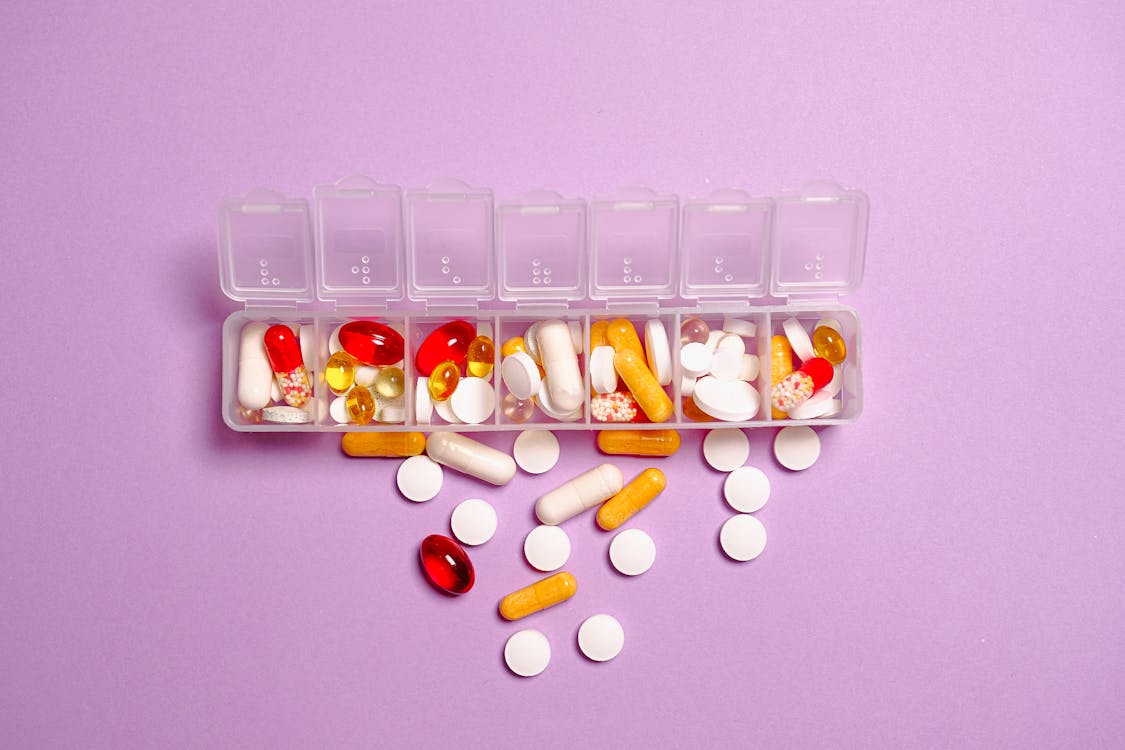
There is no officially established dose, because there is no authorised health claim to anchor one. Across the trial literature and traditional use, the common range is 250–1,500mg/day of dry extract, usually split across the day and often standardised to 40–60% saponins (some products go to 90%). Higher saponin standardisation means a smaller tablet for the same active-compound content.
| Form | Typical Dose | Standardisation | Notes |
|---|---|---|---|
| Standardised extract (capsule/tablet) | 250–1,500mg/day | 40–90% saponins | Most common |
| Whole-herb powder | 2,000–3,000mg/day | Variable / unstated | Bulky, saponin content unknown |
| Multi-ingredient men’s formula | 100–500mg Tribulus per serving | Varies by brand | Tribulus is one of several herbs; check the label |
Is It Safe? Side Effects
In short-term trials Tribulus is generally well tolerated, with the most common complaints being mild digestive upset such as stomach cramps or reflux. There is no good long-term safety data in healthy men, because the long trials simply have not been done.
- Liver or kidney concerns: there are rare published case reports of liver and kidney injury associated with Tribulus-containing products, sometimes linked to adulteration or contamination rather than the herb itself.
- Diabetes medication: some data suggest Tribulus may lower blood sugar, which could compound glucose-lowering medicines.
- Hormone-sensitive conditions: avoid in the absence of professional advice, given the herb’s traditional reputation and incomplete safety data.
- Pregnant or breastfeeding women, and under-18s: not studied; do not use.
- Sourcing: buy from suppliers that test for heavy metals and contamination, and provide a Certificate of Analysis. Several case reports trace back to poorly sourced products, not the herb in isolation.
Tribulus vs Other Men’s Herbs
If your interest in Tribulus comes from the testosterone marketing, it is worth seeing where it sits against herbs with stronger human data. For broader context, see our guide to natural testosterone support and our overview of herbal supplements for men.
| Herb | Main marketed angle | Human evidence quality |
|---|---|---|
| Tribulus Terrestris | Testosterone, sexual function | Weak/mixed; testosterone claim largely unsupported in humans |
| Tongkat Ali | Stress hormones, testosterone in stressed/older men | Several human RCTs and a 2022 meta-analysis |
| Fadogia Agrestis | Testosterone (popular online) | Animal data only; no published human trials — treat with caution |
The honest takeaway: Tongkat Ali has the strongest human evidence of the three; Fadogia Agrestis is popular but rests on animal studies with no human trials; and Tribulus sits in between — widely sold, but with human testosterone evidence that does not hold up. None of the three should be treated as a guaranteed testosterone solution.
Where Blue Power Fits (and Why It Doesn’t Use Tribulus)
Blue Power does not contain Tribulus Terrestris. We built the formula around ingredients with clearer human evidence and, where applicable, an authorised EFSA nutrient claim — rather than the most heavily marketed herb.
The Blue Power formula is: Oat extract (Avena sativa), Shilajit, Maca Root, Korean Ginseng, L-Arginine, Zinc and Vitamin C, GMP certified and UK manufactured.
On the nutrient side, two authorised EFSA claims apply to that formula:
- Zinc contributes to the maintenance of normal testosterone levels in the blood.
- Vitamin C contributes to the reduction of tiredness and fatigue.
These are authorised claims for the named nutrients. The herbal ingredients above are included for their individual research profiles, not as authorised health claims.
Prefer an Evidence-Led Men’s Formula?
Seven ingredients chosen for their evidence. UK manufactured, GMP certified, fully transparent dosing — no Tribulus, no proprietary blends.
See Blue Power — Free UK DeliveryNo subscription required · 30-day supply · Free standard UK delivery
Reporting side effects. Food supplements are generally well tolerated, but if you notice an unexpected reaction to any supplement you can report it to the UK regulator through the MHRA Yellow Card Scheme. Always tell your GP or pharmacist about supplements you take, especially alongside prescription medicines.
| Study | Type | Funding / Source | Status |
|---|---|---|---|
| Neychev & Mitev 2005 | Controlled study, n=21 young men, 10–20 mg/kg/day, 4 weeks | Not disclosed | Not disclosed |
| Pokrywka et al. 2014 | Systematic review of Tribulus and testosterone | Not disclosed | Not disclosed |
| Kamenov et al. 2017 | Randomised placebo-controlled trial, n=180 | Not disclosed | Not disclosed |
| Akhtari et al. 2014 | Randomised controlled trial | Not disclosed | Not disclosed |
| Antonio et al. 2000 | Placebo-controlled resistance-training study, n=15 men, 8 weeks | Not disclosed | Not disclosed |
Editorial note — why the testosterone claim is largely unsupported in humans: The evidence-literate reading is that higher-quality human trials have generally not found a meaningful change in testosterone in healthy men — for example a controlled study in young men saw no change at the doses tested, and a 2014 systematic review reached the same conclusion. The main limitation is study size and quality: much of the positive material is small, mixed and often about self-reported questionnaire scores rather than measured hormones. One honest caveat — a trial finding for a specific Tribulus extract and dose is not a label claim, and cannot be transferred to any branded product.
— Blue Power Research Team, reviewing Pokrywka et al. 2014Frequently Asked Questions About Tribulus Terrestris
Does Tribulus Terrestris lift testosterone?
The better-quality human evidence does not show a meaningful effect on testosterone in healthy men. In Neychev & Mitev (2005) and a 2014 systematic review (Pokrywka et al.), Tribulus was not associated with a rise in testosterone at the doses studied. These are research findings about the herb, not product claims. If testosterone support is your goal, Tongkat Ali and the nutrient zinc have clearer human relevance.
What is Tribulus Terrestris actually used for?
Traditionally it has been used in Ayurvedic and Chinese herbal practice for general male wellbeing. In modern trials, the main signal is around self-reported sexual function on validated questionnaires — for example, Kamenov et al. (2017) associated Tribulus with higher questionnaire scores than placebo at the dose studied. The evidence base is small and mixed, and these are ingredient findings, not product claims.
What is protodioscin?
Protodioscin is the best-known steroidal saponin in Tribulus Terrestris and is often used as the marker compound for standardisation. “Steroidal” describes the molecule’s chemical shape, not a usable hormone — which is part of why the testosterone marketing outruns the human evidence.
How much Tribulus should I take?
There is no officially established dose, because there is no authorised health claim. The common range in trials and traditional use is 250–1,500mg/day of a standardised extract, often 40–60% saponins, split across the day with food. Treat any product’s dosing as a manufacturer suggestion and do not exceed the label.
Is Tribulus Terrestris safe?
In short-term trials it is generally well tolerated, with mild digestive upset the most common complaint. There are rare published case reports of liver and kidney problems, often linked to poorly sourced or adulterated products. Men on diabetes medication, with liver or kidney concerns, or with hormone-sensitive conditions should consult a GP first. It is not suitable for under-18s or pregnant/breastfeeding women.
Is Tribulus in Blue Power?
No. Blue Power does not contain Tribulus Terrestris. The formula uses Oat extract (Avena sativa), Shilajit, Maca Root, Korean Ginseng, L-Arginine, Zinc and Vitamin C — chosen for clearer human evidence and, for the nutrients, authorised EFSA claims (for example, Zinc contributes to the maintenance of normal testosterone levels in the blood.).
The Bottom Line
Tribulus Terrestris is a well-known herb with a marketing story that outruns its evidence. The headline testosterone claim is not supported by the better human trials, and the controlled exercise and body-composition data are largely negative. The clearest signal — still limited and mixed — is around self-reported sexual function in men with an existing complaint, and even that should be read as an ingredient finding rather than a guaranteed outcome.
If you are choosing supplements on evidence rather than packaging, Tribulus is a fair thing to be sceptical about. Herbs such as Tongkat Ali have stronger human data, and well-evidenced nutrients such as zinc carry authorised EFSA claims. Whatever you decide, buy from suppliers that disclose the saponin percentage and provide a Certificate of Analysis, and check with your GP if you take medication or have a medical condition.
References & Sources (expand)
- Neychev VK, Mitev VI (2005). The aphrodisiac herb Tribulus terrestris does not influence the androgen production in young men. Journal of Ethnopharmacology 101(1–3):319–23. PubMed 15994038
- Pokrywka A et al. (2014). Insights into supplements with Tribulus terrestris used by athletes. Journal of Human Kinetics 41:99–105. PubMed 25114736
- Kamenov Z et al. (2017). Evaluation of the efficacy and safety of Tribulus terrestris in male sexual dysfunction. Maturitas 99:20–26. PubMed 28364864
- Akhtari E et al. (2014). Tribulus terrestris for treatment of sexual dysfunction in women: a randomized double-blind placebo-controlled study. Daru 22(1):40. PubMed 24773615
- Antonio J et al. (2000). The effects of Tribulus terrestris on body composition and exercise performance in resistance-trained males. Int J Sport Nutr Exerc Metab 10(2):208–15. PubMed 10861339
- GB Nutrition and Health Claims Register / EU Reg. 432/2012 (zinc, vitamin C authorised claims). legislation.gov.uk
0 comments