

In 30 seconds
Evidence: The one authorised claim here is that Zinc contributes to the maintenance of normal testosterone levels in the blood. Vitamin D and magnesium's roles are established nutrition science, not product claims.
Timing: Correcting a genuine zinc or vitamin D shortfall takes weeks to show up in blood markers, and testosterone itself drifts down gradually with age regardless of diet.
Next step: A simple way to check whether diet alone is enough is a blood test — via your GP or a UK service such as Thriva — covering zinc and vitamin D.
Search “foods for testosterone” and you will find endless lists promising a quick lift from oysters, steak or eggs. Here is the honest summary up front: no single food pushes a healthy man’s testosterone above its normal range. What diet can do is supply the nutrients your body needs to keep testosterone production running properly — and just as importantly, help you avoid the dips that come with deficiency. This UK guide explains which nutrients actually matter (zinc, vitamin D and magnesium), which everyday British foods supply them, why overall diet and body weight matter more than any “hero” ingredient, and what the evidence really shows.
- The realistic role of diet is to correct deficiency in a few key micronutrients — not to push a healthy man’s level above normal.
- Zinc matters most directly: an authorised EU/GB nutrient claim states “Zinc contributes to the maintenance of normal testosterone levels in the blood.” UK sources include oysters, shellfish, beef and pumpkin seeds.
- Vitamin D is often low in British men over the winter; oily fish, eggs and fortified foods help, and the NHS suggests a daily supplement from October to March.
- Magnesium — from leafy greens, nuts and wholegrains — supports normal energy-yielding metabolism and muscle function; many UK diets fall a little short.
- The bigger levers are enough protein and healthy fats, not crash-dieting, limiting heavy alcohol, and keeping a healthy weight.
- Food first; a sensible supplement is a top-up where the diet falls short, not a replacement for it.
How Diet Actually Relates to Testosterone
Testosterone is the main male sex hormone, made mostly in the testes under signals from the brain. Its production depends on a steady supply of raw materials — including certain vitamins and minerals — plus a body that is broadly healthy: a reasonable weight, decent sleep, and not under constant strain. That is the key idea behind “testosterone-friendly” eating.
Crucially, the relationship is not a simple dial. If you are already eating well and your levels sit in the normal range, eating more of a so-called testosterone food does not push the number higher. The real win is at the other end: when a man is short of a key nutrient, correcting that shortfall helps the body keep testosterone where it should be. Think of it as removing a brake, not pressing an accelerator. With that honest framing in place, here are the nutrients with the clearest relevance.
Zinc: The Most Directly Relevant Mineral
Of all the nutrients tied to male hormones, zinc has the firmest regulatory standing. Under the GB Nutrition and Health Claims Register, one authorised claim reads, verbatim:
That single sentence is the only authorised statement that links a nutrient to testosterone in this way, which is exactly why zinc tops the list. The relevant point for diet is straightforward: zinc deficiency is associated with reduced testosterone in research settings, so the practical goal is simply not being short of zinc. For the full picture, see our dedicated guide to zinc and men’s health.
Vitamin D: The British Winter Gap
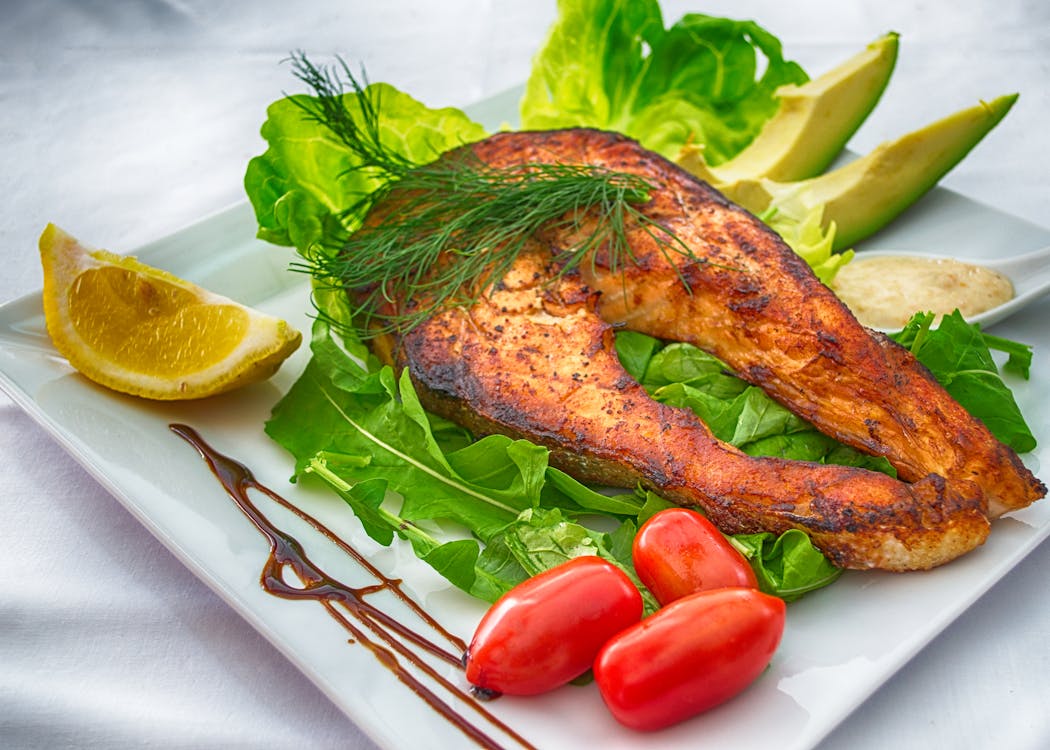
Vitamin D is the nutrient most British men are short of, and the reason is geography. The body makes vitamin D from summer sunlight on the skin, but from October to March the UK sun is too weak to produce any. Over winter, intake has to come from food or a supplement. Some observational studies have reported an association between low vitamin D status and lower testosterone in men, though the picture is mixed and a deficiency-correction effect is clearer than a top-up effect.
Vitamin D does carry several authorised GB-Register nutrient claims — for example, that it contributes to the normal function of the immune system and to the maintenance of normal muscle function and bones. Those are not testosterone claims, but they are real reasons not to run low. Natural food sources are limited: oily fish (salmon, mackerel, sardines), egg yolks, red meat and fortified foods such as some breakfast cereals and spreads. The NHS recommends that adults consider a daily 10 microgram vitamin D supplement over the autumn and winter.
Magnesium: The Quiet Shortfall
Magnesium is involved in hundreds of processes in the body, including energy production and muscle function. National diet surveys suggest a fair number of UK adults take in slightly less than the reference amount, which makes it a sensible nutrient to keep an eye on. Some research has reported associations between magnesium status and testosterone, particularly in older or active men, though as with vitamin D the evidence is strongest where a genuine shortfall is being corrected.
Magnesium carries authorised GB-Register claims unrelated to hormones — for instance, that it contributes to normal energy-yielding metabolism, to normal muscle function and to the reduction of tiredness and fatigue. Again, not a testosterone claim, but good reasons to get enough.
Protein and Healthy Fats: The Building Blocks
Beyond specific micronutrients, the overall shape of your diet matters. Two patterns are worth getting right. First, enough protein: very low-protein diets can disturb the hormonal picture, and protein also supports muscle, which is itself linked to healthier hormone levels. Aim for a protein source at each main meal — eggs, fish, lean meat, dairy, beans or pulses.
Second, do not fear healthy fats. Hormones are built partly from cholesterol and fatty acids, and very low-fat diets have been associated with lower testosterone in some studies. The aim is not to eat fried food, but to include sensible amounts of healthy fats: olive oil, oily fish, nuts, seeds and avocado. Many of the foods already mentioned for zinc, vitamin D and magnesium double up here, which is why a varied whole-food diet tends to take care of the hormonal basics without any single “super food”.
What to Limit: Alcohol, Crash Diets and Excess Weight
What you avoid matters as much as what you eat. Three patterns work against a healthy hormonal balance.
| Pattern | Why it matters | Practical step |
|---|---|---|
| Heavy alcohol | Regular heavy drinking has been associated with lower testosterone; the occasional drink is a different matter from a daily habit. | Stay within the UK guideline of no more than 14 units a week, spread out, with drink-free days. |
| Crash dieting | Very aggressive calorie cutting can disturb hormone signalling; the body reads severe restriction as a stressor. | Lose weight gradually with a modest deficit rather than extreme short-term diets. |
| Excess body fat | Carrying a lot of excess weight, especially around the middle, is one of the strongest dietary-lifestyle factors associated with lower testosterone in men. | Reaching and holding a healthy weight is one of the most useful things diet can do here. |
Putting It Together: A Testosterone-Friendly Plate
None of this requires a special diet. A practical, testosterone-friendly pattern looks a lot like ordinary good eating for any British man: a protein source at each meal, oily fish once or twice a week, plenty of leafy greens and other vegetables, nuts and seeds as snacks, wholegrains instead of refined white carbohydrates, sensible amounts of healthy fats, and shellfish now and then for zinc. Add a vitamin D supplement over the winter, keep alcohol moderate, and hold a healthy weight.
If you want the wider context, our overview of how to look after your testosterone naturally covers sleep, exercise and stress alongside diet. And if you are curious about the traditional foods that crop up in this conversation, our piece on aphrodisiac foods separates the folklore from the nutrition.
Where Blue Power Fits
Diet comes first. A varied, whole-food diet is the foundation, and no supplement replaces it. Where a supplement can help is as a top-up for the nutrients men most often fall short on, alongside a sensible diet rather than instead of one.
Blue Power is a daily men’s food supplement combining Oat extract (Avena sativa), Shilajit, Maca Root, Korean Ginseng, L-Arginine, Zinc and Vitamin C, GMP certified and UK manufactured.
On the nutrient side, two authorised EFSA claims apply to that formula:
- Zinc contributes to the maintenance of normal testosterone levels in the blood.
- Vitamin C contributes to the reduction of tiredness and fatigue.
These are authorised claims for the named nutrients. The herbal ingredients above are included for their individual research profiles, not as authorised health claims.
A Sensible Daily Top-Up
Food first, then a clear daily top-up for the days your plate falls short. UK manufactured, GMP certified, fully transparent dosing — no proprietary blends.
See Blue Power — Free UK DeliveryNo subscription required · 30-day supply · Free standard UK delivery
Stacking with vitamin D. Blue Power focuses on circulatory and everyday-wellbeing ingredients and does not contain vitamin D. Between October and March in the UK, the NHS advises adults to consider a daily 10 µg (400 IU) vitamin D supplement. If you want vitamin D cover, take a separate D3 capsule with a morning meal alongside your daily tablet, ideally after checking your level with your GP.
Checking your levels. To understand your baseline before or during supplementation, ask your GP about a blood test on the NHS, or use a UK home-testing service such as Medichecks, Thriva or Monitor My Health. Reviewing results with a qualified clinician is recommended.
| Study | Type | Funding / Source | Status |
|---|---|---|---|
| Prasad 1996 (zinc & testosterone) | Human dietary study, healthy adults | Not disclosed in article | Not disclosed |
| Pilz 2011 (vitamin D & testosterone) | Randomised controlled trial | Not disclosed in article | Not disclosed |
| Maggio 2014 (magnesium & testosterone) | Observational analysis, older men | Not disclosed in article | Not disclosed |
| Whittaker & Wu 2021 (dietary fat & testosterone) | Systematic review & meta-analysis | Not disclosed in article | Not disclosed |
Editorial note — reading the diet-and-testosterone evidence: The studies linking single nutrients to testosterone are mostly small, observational, or focused on correcting a genuine shortfall rather than lifting a normal level. Prasad’s zinc work and Pilz’s vitamin D trial point the same way: an effect shows up when a deficiency is corrected, not when a well-fed man simply eats more. Whittaker and Wu’s 2021 meta-analysis on dietary fat is a stronger design, but it reports group averages, not what any one plate will do for a given man. The honest caveat is that a trial result on a nutrient cannot be transferred to a finished product as a claim.
— Blue Power Research Team, reviewing Whittaker & Wu 2021Frequently Asked Questions About Testosterone-Friendly Foods
Which foods are best for men’s testosterone?
There is no magic food. The most useful approach is to make sure you are not short of the key nutrients: zinc (oysters, shellfish, beef, pumpkin seeds), vitamin D (oily fish, eggs, fortified foods) and magnesium (leafy greens, nuts, wholegrains). The only authorised nutrient claim in this area is “Zinc contributes to the maintenance of normal testosterone levels in the blood.” Beyond that, enough protein, healthy fats and a varied diet do more than any single ingredient.
Can a specific food increase a healthy man’s testosterone above normal?
No. If your diet is already good and your levels are in the normal range, eating more of a so-called testosterone food does not push the number higher. The benefit of diet is at the other end — correcting a shortfall so the body can keep testosterone within a healthy range. Diet removes a brake; it does not press an accelerator.
Why does vitamin D matter so much for British men?
From October to March, UK sunlight is too weak for the skin to make vitamin D, so many British men run low over winter. Vitamin D carries authorised claims for normal immune and muscle function, and low status has been associated with lower testosterone in some studies. Oily fish, egg yolks and fortified foods help, and the NHS suggests a daily 10 microgram supplement through the autumn and winter.
Do I need to eat oysters?
No — oysters are simply the richest natural source of zinc, the mineral with the clearest link to normal testosterone. You can get plenty of zinc from other shellfish, lean beef and lamb, pumpkin seeds, cashews and wholegrains. The goal is simply not being short of zinc, however you reach it.
Does cutting calories or alcohol make a difference?
What you limit matters as much as what you eat. Regular heavy drinking has been associated with lower testosterone, and crash dieting can disturb hormone signalling because the body reads severe restriction as a stressor. Keeping alcohol within the UK 14-unit guideline, losing weight gradually rather than through extreme diets, and holding a healthy weight are among the most useful dietary steps.
Are food supplements better than food?
No — food comes first, and a varied diet is the foundation. A supplement is a top-up for the nutrients men most often fall short on, such as vitamin D over winter or zinc on a low-meat diet. It works best alongside a sensible diet, not as a replacement for one. Food supplements should not be used as a substitute for a varied and balanced diet and a healthy lifestyle.
Does Blue Power help with testosterone-related nutrients?
Blue Power is a daily food supplement containing Oat extract (Avena sativa), Shilajit, Maca Root, Korean Ginseng, L-Arginine, Zinc and Vitamin C. On the nutrient side, two authorised EFSA claims apply: Zinc contributes to the maintenance of normal testosterone levels in the blood. and Vitamin C contributes to the reduction of tiredness and fatigue. The herbal ingredients are included for their individual research profiles, not as authorised health claims, and it is best used as a top-up alongside a good diet.
The Bottom Line
Testosterone-friendly eating is less exciting than the headlines suggest, and that is the honest part. No single food lifts a healthy man’s level above normal. What diet can genuinely do is supply the nutrients your body needs — zinc, vitamin D and magnesium in particular — and help you avoid the dips that come with deficiency, crash dieting, heavy drinking and excess weight.
Build the plate first: a protein source at each meal, oily fish and shellfish across the week, leafy greens, nuts, seeds and wholegrains, sensible healthy fats, and a vitamin D supplement over the British winter. From there, a clear daily supplement can be a reasonable top-up for the days your diet falls short. As always, if you have symptoms that concern you, see your GP rather than relying on food to do a doctor’s job.
References & Sources (expand)
- GB Nutrition and Health Claims Register / EU Reg. 432/2012 (zinc, vitamin C, vitamin D, magnesium authorised claims). legislation.gov.uk
- NHS. Vitamin D — advice on supplements during autumn and winter. nhs.uk
- Prasad AS et al. (1996). Zinc status and serum testosterone levels of healthy adults. Nutrition 12(5):344–8. PubMed 8875519
- Pilz S et al. (2011). Effect of vitamin D supplementation on testosterone levels in men. Hormone and Metabolic Research 43(3):223–5. PubMed 21154195
- Maggio M et al. (2014). The interplay between magnesium and testosterone in modulating physical function in men. Int J Endocrinol 2014:525249. PubMed 24723948
- Whittaker J, Wu K (2021). Low-fat diets and testosterone in men: systematic review and meta-analysis. J Steroid Biochem Mol Biol 210:105878. PubMed 33741447
- NHS. Alcohol units — UK guideline of 14 units per week. nhs.uk
0 comments