

In 30 seconds
Evidence: Zinc contributes to the maintenance of normal testosterone levels in the blood. A daily food supplement is taken as part of a varied diet, not as a same-day product.
Timing: A daily formula sits on the timescale of ordinary nutrition — weeks of consistent intake, not minutes after one tablet.
Next step: See Blue Power's fully disclosed 7-ingredient formula, with every dose listed, on the formula page.
Search for a men’s product online and you quickly meet two very different things side by side: a daily formula — a food supplement you take as needed, up to one tablet a day — and a “fast-acting pill” promising something in the next hour. They look like rivals on the same shelf, but they are not the same kind of thing at all, and treating them as interchangeable is where men get caught out. This guide is an honest category explainer. It separates what each one actually is, how each is regulated, what kind of evidence sits behind it, and who it suits — without claiming one does the other’s job.
- A daily formula (such as Blue Power formula) is a food supplement: nutrients and traditional botanicals taken as needed, up to one tablet a day, as part of a varied diet, with lawful claims limited to authorised nutrient claims.
- “Fast-acting pills” are a mixed category. Some are unlicensed supplements; separately, others are prescription-only medicines (for example sildenafil) that need a doctor or pharmacist and are not supplements at all.
- The two are regulated differently: food supplements as food (no disease claims allowed); medicines through the MHRA with licensed dosing and oversight.
- For any erection difficulty, the right route is a GP or pharmacist — not a daily supplement and not an unbranded online pill.
- This article compares the two on category attributes (what they are, regulation, how taken, evidence type, safety, who it suits) — not on “which works better”.
- Blue Power is a daily food supplement. It is not a medicine and not a treatment, alternative or substitute for any medicine.
Two Different Things, Not Two Versions of the Same Thing
The first job is to stop thinking of these as “slow” and “fast” versions of one product. They sit in different legal and practical categories, and the difference is not cosmetic.
A daily formula is a food supplement. In UK law that means it is regulated as food: it supplies nutrients or other substances, it is taken in measured amounts up to one tablet a day, and it cannot lawfully claim to treat, prevent or cure anything. A “fast-acting pill” is a looser, marketplace label that covers two very different products under one name — and that ambiguity is exactly the problem.
What a Daily Food-Supplement Formula Actually Is
A daily formula is built from nutrients (vitamins and minerals such as zinc or vitamin C) and traditional botanicals (plant ingredients with a history of use, such as ginseng or maca). You take it as needed, up to one tablet a day, as part of a varied diet and healthy lifestyle, and the point is nutritional support — not a same-day effect.
Because it is food, the claims it can lawfully make are tightly limited. In Great Britain, only authorised nutrient claims on the official register may be stated — and only for the specific nutrient, in the exact approved wording. A botanical with a long traditional history but no authorised claim cannot be sold on a promised outcome. That is a feature, not a loophole: it keeps the category honest about what it is.
What “Fast-Acting Pills” Really Are (Two Separate Things)
“Fast-acting” is a marketing word, not a regulatory category, and online it gets stuck on two completely different kinds of product. Pulling them apart is essential.
1. Unlicensed pills sold as supplements Unknown content risk
Some “fast-acting” pills are sold as supplements but are not properly licensed or quality-controlled. The recurring real-world problem is adulteration: products found to contain undeclared pharmaceutical drugs hidden inside what is labelled as a herbal pill. Regulators including the UK’s MHRA have repeatedly warned about exactly this. With these products you do not actually know what you are taking, at what dose, or how it might interact with your other medicines — which is the opposite of safe.
2. Prescription-only medicines (not supplements at all)
Separately, the genuinely fast-acting medicines for erection problems — such as sildenafil — are prescription-only or pharmacist-supervised medicines. They are licensed by the MHRA, with defined active ingredients, tested dosing and professional oversight. These are not food supplements and are in a different category entirely. The safe way to access them is through a GP or registered pharmacist, who can also check for underlying causes — not an unbranded checkout on a marketplace.
How Each One Is Regulated
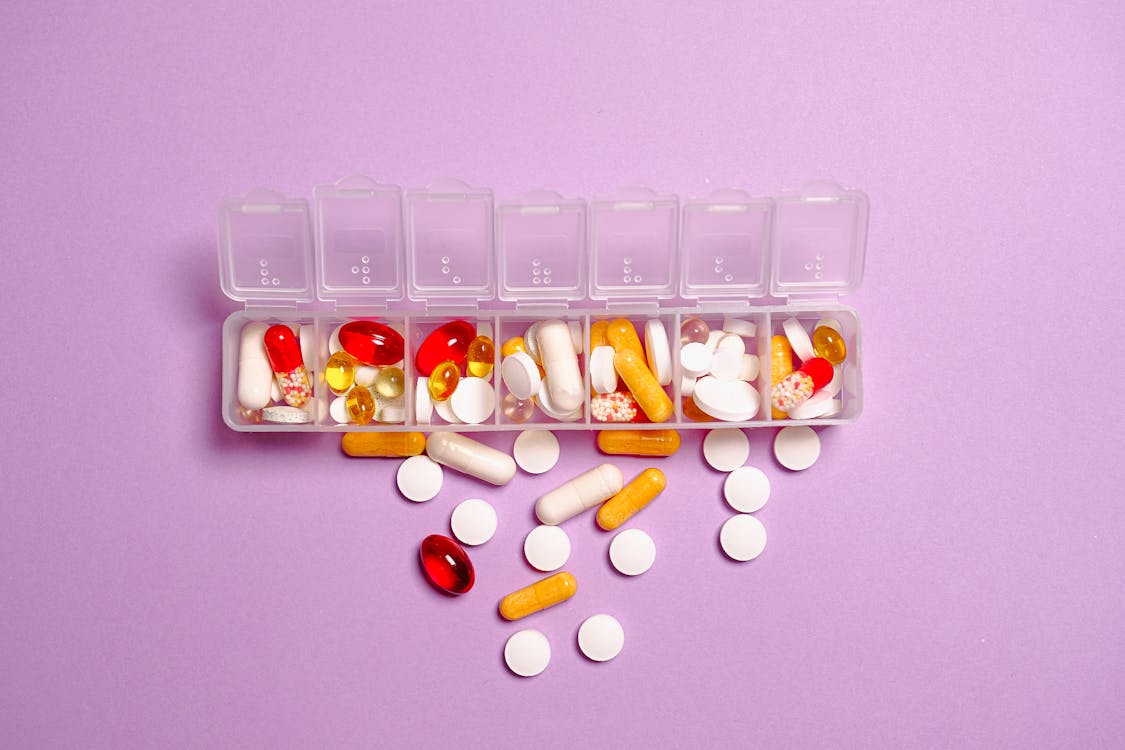
Regulation is the cleanest way to tell these apart, because it decides what each can claim and how it reaches you.
- Daily food supplement: regulated as food. No disease claims; only authorised nutrient claims, in approved wording, for the named nutrient. Quality depends on the manufacturer — GMP certification and transparent dosing are the signals to look for.
- Licensed medicine (e.g. sildenafil): regulated by the MHRA. Defined active ingredient, tested dose, licensed indication, and supply through a prescription or pharmacist. This is what oversight looks like.
- Unlicensed “fast-acting” pill: often outside both systems. No reliable quality control, and a known history of hidden ingredients. There is no regulator standing behind a marketplace mystery product.
Honest Comparison: Category Attributes Side by Side
The table below compares the two categories on what they are and how they work as products — not on which one “works better”, because they are not trying to do the same job. Read it as a map of the categories, not a league table.
| Attribute | Daily food-supplement formula | “Fast-acting pills” |
|---|---|---|
| What it is | Food supplement — nutrients plus traditional botanicals | Mixed category: unlicensed supplement or prescription-only medicine |
| How it’s regulated | As food; authorised nutrient claims only Defined rules | Medicine = MHRA-licensed; unlicensed pill = often unregulated |
| How it’s taken | As needed, up to one tablet a day, as part of a varied diet | On-demand (medicines) or as labelled (unlicensed) |
| Type of evidence | Nutrient claims backed by authorised science; botanicals by traditional use and individual research | Licensed medicines: clinical-trial evidence. Unlicensed pills: no reliable evidence |
| Safety & oversight | Quality depends on maker; GMP and transparent dosing matter | Medicines: professional oversight. Unlicensed: unknown content, adulteration risk |
| Who it suits | Men wanting a transparent food supplement they can take as needed for general wellbeing | Medicines: men with a diagnosed problem, via a GP/pharmacist |
This table compares category attributes only. It is not a claim that a daily formula performs the function of any medicine, and Blue Power is not presented as an alternative or substitute for a medicine.
Safety: Where the Real Risk Sits
The biggest safety issue in this whole topic is not the daily-formula category — it is the unregulated end of the “fast-acting” market. A daily food supplement from a GMP-certified UK manufacturer, taken as directed, is a known quantity. An unbranded pill bought from a marketplace is not.
- Hidden ingredients. Unlicensed “fast-acting” pills have repeatedly been found to contain undeclared medicines. You cannot judge dose or interactions for something whose true contents are unknown.
- Drug interactions. A medicine hidden in a pill can clash dangerously with heart, blood-pressure or other medication. This is one reason the medicine route belongs with a pharmacist, who can check what else you take. For more on this, read about side effects.
- Missing a real cause. Persistent erection difficulty can be an early sign of an underlying health issue. Self-treating with any pill can mean that signal is missed — which is why the GP route matters.
How to Choose the Right One for Your Goals
Because the two categories do different jobs, the choice is really about what you are trying to achieve — honestly stated.
A daily food-supplement formula is a reasonable fit if:
- You want a flexible routine for general wellbeing — taking it as needed, up to one tablet a day, as part of a varied diet and healthy lifestyle.
- You value knowing exactly what is in the product — named ingredients, disclosed doses, GMP manufacturing.
- You are not trying to treat a diagnosed medical condition, and you understand a supplement is not a medicine.
The GP or pharmacist route is the right one if:
- You have a specific medical concern such as persistent erection difficulty — this needs a clinician, not a supplement and not a marketplace pill.
- You are considering a fast-acting medicine: only obtain it through a GP or registered pharmacist, never an unbranded online seller.
- You take other medication or have a health condition, so interactions need a professional check.
The worst choice is the one many men still make: ignoring a real concern out of embarrassment, or buying an unregulated “fast-acting” pill of unknown content. Both are avoidable. A daily formula and a GP visit are not competitors — they answer different questions.
Where Blue Power Fits
Blue Power is a daily food supplement, not a medicine. It is not a fast-acting pill and is not a treatment, alternative or substitute for any medicine. It is built for the first scenario above: a daily food supplement, taken as part of a varied diet and healthy lifestyle.
The formula is Oat extract (Avena sativa), Shilajit, Maca Root, Korean Ginseng, L-Arginine, Zinc and Vitamin C, GMP certified and UK manufactured, with every dose disclosed and no proprietary blends.
On the nutrient side, two authorised EFSA claims apply to the named nutrients in that formula:
- Zinc contributes to the maintenance of normal testosterone levels in the blood.
- Vitamin C contributes to the reduction of tiredness and fatigue.
These are authorised claims for the named nutrients. The botanical ingredients are included for their traditional use and individual research profiles, not as authorised health claims. For any medical concern, see a GP or pharmacist.
Prefer a Transparent Daily Formula?
Eight named ingredients, every dose disclosed. UK manufactured, GMP certified, no proprietary blends — a daily food supplement, not a fast-acting pill.
See Blue Power — Free UK DeliveryNo subscription required · 30-day supply · Free standard UK delivery
| Approach | Typical UK cost / month | Items per day |
|---|---|---|
| Six to eight single ingredients from Boots / Holland & Barrett | £50–£120 | 4–8 |
| Blue Power — one daily tablet, 7 ingredients | £19.99 | 1 |
Retail prices vary; figures are indicative of single-ingredient UK high-street pricing.
Reporting side effects. Food supplements are generally well tolerated, but if you notice an unexpected reaction to any supplement you can report it to the UK regulator through the MHRA Yellow Card Scheme. Always tell your GP or pharmacist about supplements you take, especially alongside prescription medicines.
Editorial note — comparing two regulated categories honestly: The clearest point in this evidence is regulatory, not clinical: a licensed medicine such as sildenafil has been through controlled trials and MHRA authorisation, whereas a daily food supplement is regulated for safety and labelling, not for a rapid effect. That difference matters more than any marketing language, because the real documented risk sits with unlicensed “fast-acting” pills found adulterated with undeclared drugs. An honest caveat: erectile difficulties can have medical causes, so a GP visit outranks any purchase decision here.
— Blue Power Research TeamFrequently Asked Questions
What is the difference between a daily formula and a fast-acting pill?
A daily formula is a food supplement — nutrients and traditional botanicals taken as needed, up to one tablet a day, as part of a varied diet, with claims limited to authorised nutrient claims. A “fast-acting pill” is a mixed marketplace label: some are unlicensed supplements of unknown content, while others are prescription-only medicines such as sildenafil that are not supplements at all and need a doctor or pharmacist. They are different categories, not slow and fast versions of one product.
Is Blue Power a fast-acting pill or an alternative to medicine?
Neither. Blue Power is a daily food supplement, not a medicine, and it is not a fast-acting pill. It is not a treatment, alternative or substitute for any medicine. It is designed as a flexible routine for general wellbeing — taken as needed, up to one tablet a day, as part of a varied diet and healthy lifestyle. For any medical concern, the right route is a GP or pharmacist.
Are “fast-acting” pills sold online safe?
It depends entirely on what they actually are. Licensed medicines obtained through a GP or registered pharmacist have professional oversight. Unbranded “fast-acting” pills from marketplaces are a known risk: regulators including the MHRA have repeatedly found such products containing undeclared medicines. With those, you do not know the true contents, dose or interactions, so they are best avoided entirely.
What can a daily food supplement lawfully claim?
Only authorised nutrient claims, in the approved wording, for the specific nutrient — for example, the authorised claim that Zinc contributes to the maintenance of normal testosterone levels in the blood. A food supplement cannot lawfully claim to treat, prevent or cure any condition, and it cannot present itself as doing the job of a medicine.
I have an erection problem — should I buy a supplement or a fast-acting pill?
Neither as a first step. A persistent erection difficulty is a medical matter and the right route is a GP or pharmacist, who can look for underlying causes and discuss appropriate, licensed options. A daily food supplement is not a treatment for that, and an unbranded online pill carries real risks. See a clinician first.
Is sildenafil a supplement?
No. Sildenafil is a prescription-only or pharmacist-supervised medicine, licensed and regulated by the MHRA. It is not a food supplement and is in a completely different category. It should only be obtained through a GP or registered pharmacist, never from an unregulated online seller.
Which suits me — a daily formula or the medicine route?
It depends on your goal. If you want a transparent food supplement you can take as needed, up to one tablet a day, for general wellbeing and value knowing exactly what is in the product, a daily formula is a reasonable fit. If you have a specific medical concern, take other medication, or are considering a fast-acting medicine, the GP or pharmacist route is the right one. They answer different questions and are not competitors.
The Bottom Line
A daily food-supplement formula and a “fast-acting pill” look like rivals, but they belong to different categories. The daily formula is food: taken as needed, up to one tablet a day, for general wellbeing, with claims limited to authorised nutrient claims. The “fast-acting” label hides two very different things — unlicensed pills of unknown content on one side, and prescription-only medicines on the other — and only one of those, accessed through a clinician, comes with proper oversight.
Choose on goals, not on marketing. If you want a transparent food supplement you can take as needed, up to one tablet a day, as part of a varied diet, a GMP-certified daily formula such as the Blue Power formula is a fair fit. If you have a medical concern or are considering a fast-acting medicine, see a GP or pharmacist — and steer well clear of unbranded marketplace pills. For more on what to watch for, see our guide to blue tablets for men and the common side effects of male supplements.
References & Sources (expand)
- Medicines and Healthcare products Regulatory Agency (MHRA). Buying medicines online safely; warnings on unlicensed and adulterated products. gov.uk/mhra
- GB Nutrition and Health Claims Register / retained EU Reg. 432/2012 (authorised nutrient claims, including zinc and vitamin C). legislation.gov.uk
- NHS. Erectile dysfunction (impotence) — when to see a GP. nhs.uk
- NHS. Sildenafil (Viagra) — about, how and when to take it. nhs.uk
- Food Standards Agency. Food supplements — rules and labelling. food.gov.uk
0 comments