

In 30 seconds
Evidence: In a 2016 trial (Suzuki et al.), citrulline malate was associated with a faster cycling time-trial in trained men at the dose studied — trial evidence, not a claim about this product.
Timing: Blood flow and exercise capacity vary with fitness, hydration, age and training history, day to day, not because of a single amino-acid dose.
Next step: Rather than one pre-workout dose, the formula lists every included nutrient and its measured amount on the label.
L-citrulline is an amino acid that has quietly built a reputation in the men’s health and sports-nutrition world, largely on the back of its link to blood flow. Here is the honest summary up front: citrulline is one of the better-studied amino acids for raising the body’s arginine levels, and a modest body of human trials has looked at it for exercise and circulation. The headline that surprises most people is that citrulline, taken by mouth, raises blood arginine more reliably than arginine itself. This UK guide explains what citrulline is, why it differs from L-arginine, what the trials actually show, how it is dosed, whether it is safe, and what to look for when buying.
- L-citrulline is a non-essential amino acid that the body converts into L-arginine, which in turn feeds the nitric oxide pathway involved in widening blood vessels.
- Oral citrulline raises plasma arginine more efficiently than oral arginine. This is because citrulline bypasses the gut and liver breakdown that limits how much swallowed arginine reaches the bloodstream.
- Exercise trials are mixed but show signal: in Suzuki et al. (2016, n=22 trained men), citrulline malate was associated with a faster cycling time-trial at the dose studied — an ingredient finding, not a product claim.
- Typical doses are 1.5–3 g/day of pure L-citrulline, or 6–8 g of citrulline malate taken before exercise.
- Generally well tolerated; main cautions involve nitrates, PDE5 medicines, blood-pressure medicines and blood thinners — speak to your GP first.
- L-citrulline has no authorised EFSA health claim, so no benefit can be stated as a product claim — only as a disclaimed trial finding.
What Is L-Citrulline?
L-citrulline is a non-essential amino acid, meaning your body can make it on its own and you do not strictly need it from food. It was first isolated from watermelon — Citrullus is the Latin name for the watermelon genus, which is where the name comes from. Beyond watermelon, small amounts appear in other foods, but the quantities used in research are far higher than diet alone would supply.
In the body, citrulline plays a role in the urea cycle (how the body clears ammonia) and, more relevant here, it is a stepping-stone to L-arginine. As a supplement it is sold in two main forms: pure L-citrulline and citrulline malate, the latter being citrulline bound to malic acid (a compound found in apples). Both deliver citrulline; the malate version simply carries extra weight from the malic acid.
L-Citrulline vs L-Arginine: The Key Difference
This is the single most useful thing to understand, because it is counter-intuitive. L-arginine is the amino acid that directly feeds nitric oxide production — so you might assume taking arginine is the most direct route. In practice, a large share of swallowed arginine is broken down in the gut wall and liver by an enzyme called arginase before it ever reaches the bloodstream. This is why oral arginine often produces a smaller, shorter rise in blood arginine than the dose would suggest.
Citrulline sidesteps this. Because it is not a target for arginase in the gut, swallowed citrulline passes through to the kidneys, where it is converted into arginine and released into the blood. The practical result, repeatedly observed in pharmacokinetic studies, is that oral citrulline raises plasma arginine more, and for longer, than the same dose of oral arginine.
This is a research observation about the citrulline ingredient at the doses studied. It is not a health claim, and it does not transfer to any finished product, including Blue Power, which does not contain L-citrulline.
The Nitric Oxide Pathway, Briefly
Why does the arginine link matter? Because arginine is the raw material the body uses to make nitric oxide — a short-lived signalling molecule (written NO) that tells the smooth muscle in blood-vessel walls to relax. When those vessels relax, they widen, a process called vasodilation. Wider vessels can carry more blood, which is the mechanism behind much of the interest in citrulline for both exercise and general circulation.
It is worth being precise here: raising arginine availability is a plausible mechanism, but a mechanism is not the same as a guaranteed outcome in a finished product. The trials below are where the story gets tested, and the picture is encouraging in places and modest in others.
What the Evidence Actually Shows
L-citrulline has no authorised European (EFSA) health claim, so nothing below should be read as a benefit you can expect from any product. Each finding is reported as a passive trial observation at the dose studied, with the standard caveat that ingredient findings do not transfer to any finished supplement.
Endurance exercise Moderate evidence, mixed
The most-cited exercise finding comes from cycling. In Suzuki et al. (2016, n=22 trained male cyclists, 2.4 g/day L-citrulline for seven days plus a dose before the test), citrulline was associated with a faster 4 km cycling time-trial and lower self-reported fatigue than placebo at the dose studied (Suzuki et al., J Int Soc Sports Nutr, 2016). It is a single, modest-sized trial, and not every endurance study has been positive, so the signal is real but should not be oversold.
Resistance exercise and recovery Limited evidence
In resistance training, the form usually studied is citrulline malate at around 8 g. In a placebo-controlled crossover (Wax et al., 2015, n=12 resistance-trained men), citrulline malate was associated with a greater number of repetitions to failure across lower-body sets at the dose studied (Wax et al., J Strength Cond Res, 2015). Other crossover studies have reported reduced post-exercise muscle soreness, though sample sizes are small and results across the literature are not uniform.
These are findings about the citrulline ingredient at the doses studied in the cited trials. They are not health claims and do not transfer to any finished product, including Blue Power, which does not contain L-citrulline.
Circulation and erectile studies Cautious / early
A small amount of clinical work has looked at citrulline and circulation in men with a specific complaint. In Cormio et al. (2011, n=24 men with mild erectile difficulty), L-citrulline was associated with an improvement in self-reported sexual function scores compared with placebo at the dose studied; the authors described the effect as modest and called for larger trials (Cormio et al., Urology, 2011). This was a small, short pilot study in men with an existing condition.
The result above is a research observation about the citrulline ingredient at the dose studied in a small clinical trial. It is not a product claim, it does not establish any benefit, and it does not transfer to Blue Power or any other finished supplement. Erectile difficulty can have medical causes — see your GP rather than self-treating with a supplement.
Typical Dosage & Forms
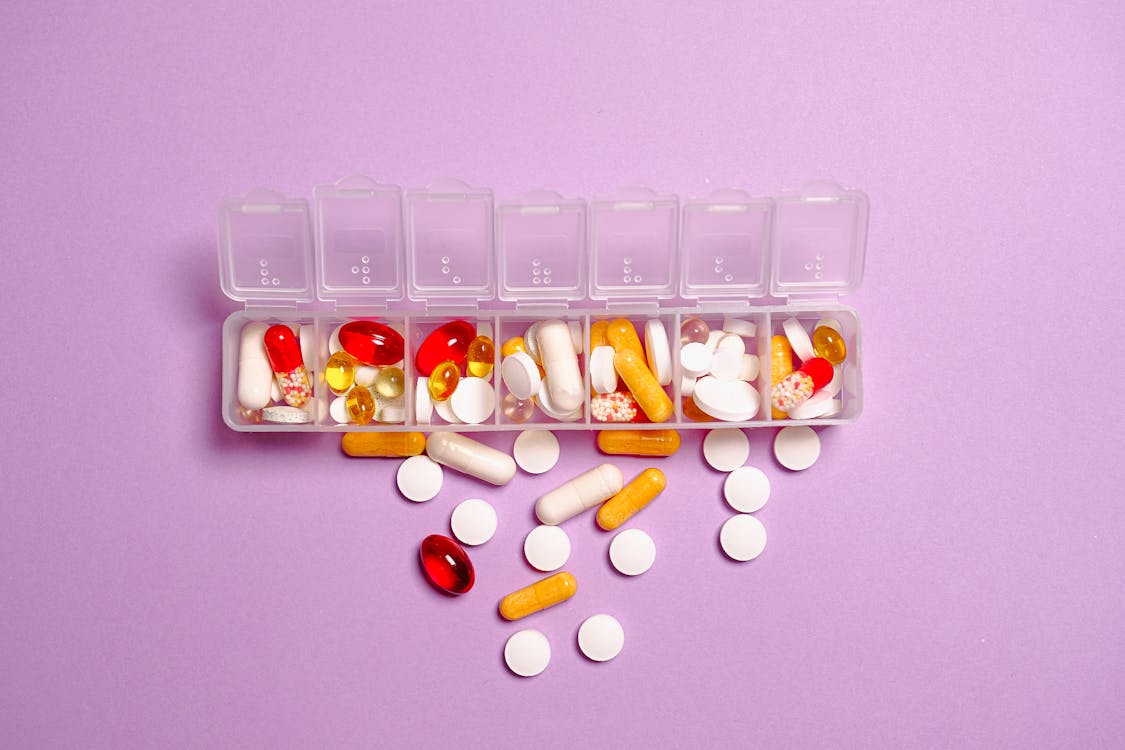
There is no officially established dose, because there is no authorised health claim to anchor one. Across the trial literature, two patterns emerge: a daily 1.5–3 g of pure L-citrulline for general circulation interest, and a pre-exercise 6–8 g of citrulline malate for training studies. Because citrulline malate is part malic acid by weight, an 8 g dose of the malate delivers roughly the same citrulline as a smaller dose of the pure form.
| Form | Typical Dose | When | Notes |
|---|---|---|---|
| Pure L-citrulline | 1.5–3 g/day | Daily, any time | Most studied for circulation |
| Citrulline malate | 6–8 g | 30–60 min pre-exercise | Common in resistance-training trials; part weight is malic acid |
| Pre-workout blend | Varies by brand | Pre-exercise | Citrulline is one of several ingredients; check the label dose |
Is It Safe? Side Effects
In trials, L-citrulline is generally well tolerated, with side effects uncommon and usually mild — mostly minor digestive upset at higher doses. It does not tend to cause the stomach discomfort that high-dose arginine sometimes does. As with any amino acid taken in supplement amounts, there is limited long-term safety data in healthy men.
- Nitrate medicines (e.g. for angina): because citrulline feeds the same vessel-relaxing pathway, combining it with nitrates could in theory cause an excessive drop in blood pressure. Do not combine without medical advice.
- PDE5 medicines (e.g. for erectile difficulty): these also act on the nitric-oxide pathway; combining them with citrulline has not been well studied and should only be done under a doctor’s guidance.
- Blood-pressure medicines: citrulline may have a mild blood-pressure-lowering tendency, which could add to antihypertensive medication.
- Blood thinners: discuss with your GP or pharmacist before use, as effects on the vascular system warrant caution.
- Pregnant or breastfeeding women, and under-18s: not adequately studied; do not use.
- Sourcing: buy from suppliers that test their amino acids and provide a Certificate of Analysis.
L-Citrulline vs Other Blood-Flow Ingredients
If your interest in citrulline is about circulation, it helps to see where it sits among the related options. For broader context, see our guide to L-arginine, our overview of the nitric oxide pathway, and our pillar on herbal supplements for men.
| Ingredient | Main angle | Human evidence notes |
|---|---|---|
| L-Citrulline | Raises plasma arginine; blood flow, exercise | Raises arginine more efficiently than oral arginine; modest exercise trials |
| L-Arginine | Direct nitric-oxide precursor | Large share broken down in gut/liver; oral absorption is the limiting factor |
| Dietary nitrate (e.g. beetroot) | Alternative route to nitric oxide | Separate pathway; some endurance evidence, taken as juice or shots |
The honest takeaway: citrulline and arginine are linked, but citrulline is the more reliable way to raise blood arginine because it avoids the gut breakdown that limits oral arginine. None of these should be treated as a guaranteed circulation fix, and the exercise evidence for citrulline, while encouraging, rests on small trials.
Where Blue Power Fits (and Why It Doesn’t Use Citrulline)
Blue Power does not contain L-citrulline. This article is educational. Blue Power is a separate food supplement; among its seven ingredients it includes the related amino acid L-arginine, not citrulline.
The full Blue Power formula is: Oat extract (Avena sativa), Shilajit, Maca Root, Korean Ginseng, L-Arginine, Zinc and Vitamin C, GMP certified and UK manufactured.
On the nutrient side, two authorised EFSA claims apply to that formula:
- Zinc contributes to the maintenance of normal testosterone levels in the blood.
- Vitamin C contributes to the reduction of tiredness and fatigue.
These are authorised claims for the named nutrients. The other ingredients above are included for their individual research profiles, not as authorised health claims.
Prefer an Evidence-Led Men’s Formula?
Seven ingredients chosen for their evidence. UK manufactured, GMP certified, fully transparent dosing — no proprietary blends.
See Blue Power — Free UK DeliveryNo subscription required · 30-day supply · Free standard UK delivery
Reporting side effects. Food supplements are generally well tolerated, but if you notice an unexpected reaction to any supplement you can report it to the UK regulator through the MHRA Yellow Card Scheme. Always tell your GP or pharmacist about supplements you take, especially alongside prescription medicines.
| Study | Type | Funding / Source | Status |
|---|---|---|---|
| Schwedhelm et al. 2008 (citrulline vs arginine absorption) | Pharmacokinetic crossover | Not disclosed | Not disclosed |
| Suzuki et al. 2016 (cycling time-trial) | 7-day trial, n=22 trained men | Not disclosed | Not disclosed |
| Wax et al. 2015 (resistance exercise) | Placebo-controlled crossover, n=12 | Not disclosed | Not disclosed |
| Pérez-Guisado & Jakeman 2010 (resistance exercise) | Crossover, n=41 | Not disclosed | Not disclosed |
| Cormio et al. 2011 (circulation, clinical) | Pilot RCT, n=24 | Not disclosed | Not disclosed |
Editorial note — separate the absorption finding from the performance findings: The strongest citrulline evidence is unglamorous: taken by mouth it raises plasma arginine more reliably than arginine itself, a pharmacokinetic point that is well replicated. The exercise findings are thinner — Suzuki (2016) tested only 22 trained cyclists, and the resistance-training work rested on small crossover designs. None of the papers we reviewed disclosed their funding, and a single ingredient trial cannot be read across to a finished product as a claim.
— Blue Power Research Team, reviewing Suzuki 2016Frequently Asked Questions About L-Citrulline
What is L-citrulline good for?
L-citrulline is best understood as an efficient way to raise the body’s arginine levels, which feed the nitric oxide pathway involved in widening blood vessels. Human trials have mainly looked at it for exercise and circulation. For example, Suzuki et al. (2016) associated citrulline with a faster cycling time-trial at the dose studied. These are research findings about the amino acid, not product claims.
Is L-citrulline better than L-arginine?
For raising blood arginine, the pharmacokinetic evidence favours citrulline. Oral arginine is largely broken down in the gut and liver before it reaches the bloodstream, whereas citrulline passes through and is converted to arginine in the kidneys. In Schwedhelm et al. (2008), citrulline was associated with a greater and longer-lasting rise in plasma arginine than oral arginine at the doses compared.
What is the difference between L-citrulline and citrulline malate?
Both deliver citrulline. Citrulline malate is citrulline bound to malic acid (a compound found in apples), so part of its weight is the malic acid. Pure L-citrulline is more concentrated gram-for-gram. Pure citrulline is most studied for circulation at 1.5–3 g/day; citrulline malate is most studied for resistance exercise at around 6–8 g pre-workout.
How much L-citrulline should I take?
There is no officially established dose, because there is no authorised health claim. The common ranges in trials are 1.5–3 g/day of pure L-citrulline, or 6–8 g of citrulline malate taken 30–60 minutes before exercise. Treat any product’s dosing as a manufacturer suggestion and do not exceed the label.
Is L-citrulline safe?
In trials it is generally well tolerated, with mild digestive upset the most common complaint at higher doses. Because it acts on the blood-vessel-relaxing pathway, men taking nitrates, PDE5 medicines, blood-pressure medicines or blood thinners should speak to their GP before use. It is not suitable for under-18s or pregnant/breastfeeding women, and there is limited long-term safety data.
Does L-citrulline come from watermelon?
Yes — citrulline was first isolated from watermelon, which is where the name comes from (Citrullus is the watermelon genus). However, the amounts used in research are far higher than you could realistically get from food, which is why it is taken as a supplement in studies.
Is L-citrulline in Blue Power?
No. Blue Power does not contain L-citrulline. The formula uses Oat extract (Avena sativa), Shilajit, Maca Root, Korean Ginseng, L-Arginine, Zinc and Vitamin C. It does include the related amino acid L-arginine, but not citrulline. For the nutrients, authorised EFSA claims apply (for example, Zinc contributes to the maintenance of normal testosterone levels in the blood.).
The Bottom Line
L-citrulline is one of the more interesting amino acids for men focused on circulation and training, mainly because of one well-documented quirk: it raises blood arginine more reliably than arginine taken directly. That arginine feeds the nitric oxide pathway that relaxes and widens blood vessels. The human exercise evidence — cycling and resistance training — is encouraging but rests on small trials, and citrulline carries no authorised health claim, so every finding here is an ingredient observation rather than a guaranteed outcome.
If you are weighing citrulline against L-arginine, the absorption advantage is the main reason people choose it. Whatever you decide, buy from suppliers that disclose the form and provide a Certificate of Analysis, and check with your GP first if you take nitrate, PDE5, blood-pressure or blood-thinning medication, or have a medical condition.
References & Sources (expand)
- Schwedhelm E et al. (2008). Pharmacokinetic and pharmacodynamic properties of oral L-citrulline and L-arginine: impact on nitric oxide metabolism. British Journal of Clinical Pharmacology 65(1):51–59. PubMed 17662090
- Suzuki T et al. (2016). Oral L-citrulline supplementation improves cycling time-trial performance in healthy well-trained males. Journal of the International Society of Sports Nutrition 13:6. PubMed 26900386
- Wax B et al. (2015). Effects of supplemental citrulline malate ingestion during repeated bouts of lower-body exercise. Journal of Strength and Conditioning Research 29(3):786–792. PubMed 25226311
- Pérez-Guisado J, Jakeman PM (2010). Citrulline malate enhances athletic anaerobic performance and relieves muscle soreness. Journal of Strength and Conditioning Research 24(5):1215–1222. PubMed 20386132
- Cormio L et al. (2011). Oral L-citrulline supplementation improves erection hardness in men with mild erectile dysfunction. Urology 77(1):119–122. PubMed 21195829
- GB Nutrition and Health Claims Register / EU Reg. 432/2012 (zinc, vitamin C authorised claims). legislation.gov.uk
0 comments