

In 30 seconds
Evidence: In a 2011 trial, boron at 6–10mg/day was associated with a measured short-term rise in free testosterone in a small group of men — trial evidence, not a claim about this product.
Timing: Free testosterone varies with sleep, body weight and age — not with any single supplement.
Next step: Get your baseline testosterone and vitamin D levels via your GP or a UK service such as Medichecks or Thriva — your own numbers to track over time.
Boron is one of the most overlooked minerals in men’s health. It is a trace element — atomic number 5 on the periodic table — found naturally in fruit, nuts, vegetables and the soil they grow in. Despite carrying no EFSA health claim and no NHS recommendation, the clinical signal is hard to ignore: in a 2011 trial of 8 healthy men taking just 6mg of boron daily for 7 days, free testosterone was 28.3% higher (from 11.83 to 15.18 pg/mL) and estradiol was 39% lower (Naghii et al., J Trace Elem Med Biol, 2011). The same trial recorded sharp drops in inflammatory markers within the same week.
In the UK, the typical man gets only 1–2.5mg of boron per day from his diet — well below the 3–10mg range used in research. EFSA has set a tolerable upper limit of 10mg/day for adults but issued no positive health claim, and the NHS does not maintain a dedicated boron page. Yet the body of preliminary evidence across testosterone, bone mineral density, low-grade inflammation and prostate health makes boron one of the more interesting mineral additions for men over 40 to consider alongside their essential vitamins for men.
- Free testosterone: +28.3% in 7 days at 6mg/day; estradiol −39% (Naghii 2011, n=8, small trial)
- Inflammation: hsCRP −50%, IL-6 −44%, TNF-alpha −30% in the same one-week trial
- Bone density: systematic review of 11 studies (n=594) supports 3mg/day for BMD (Rondanelli 2020)
- Prostate: NHANES III analysis of 8,815 men — highest boron intake linked to 52% lower prostate cancer odds (OR 0.46)
- Vitamin D: boron repletion raised 25(OH)D3 by 39% by inhibiting 24-hydroxylase
- Safe dose: EFSA upper limit 10mg/day; WHO acceptable range 1–13mg/day
What Is Boron and How Does It Work?
Boron is a non-metallic trace mineral — atomic number 5, symbol B — that occurs naturally in soil, water and a wide range of plant foods. Although the human body contains only a few milligrams of it at any given time, boron behaves more like an essential nutrient than a passive contaminant: it influences how minerals such as calcium and magnesium are retained, how steroid hormones are bound and metabolised, and how vitamin D is activated and broken down.
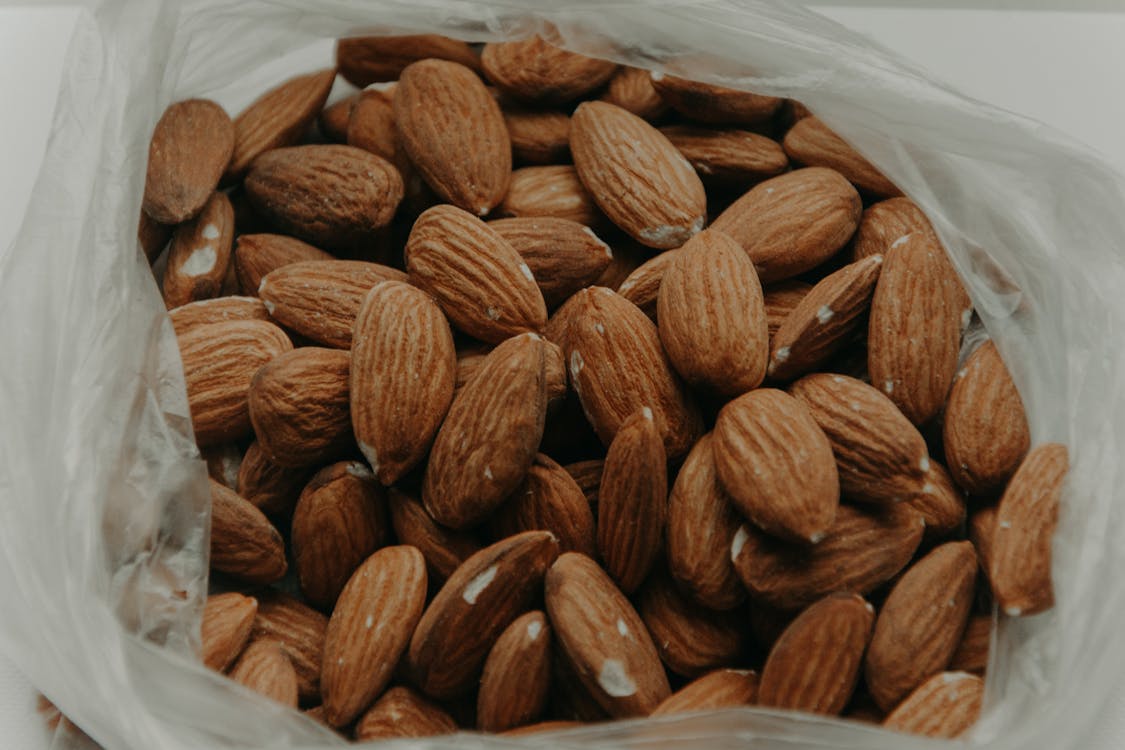
The richest dietary sources are prune juice, avocado, raisins, peaches, grape juice, apples and peanuts. According to the NIH Office of Dietary Supplements, average male intake in the UK and US sits at around 1.17–2.42mg/day — comfortably above the threshold of overt deficiency, but well below the 3–10mg doses that have produced measurable hormonal and skeletal effects in trials.
Boron’s primary mechanism in men is hormonal modulation. After supplementation, sex hormone-binding globulin (SHBG) — the protein that binds testosterone and renders it biologically inactive — falls within hours. This frees more testosterone into its bioavailable form. Boron also appears to mildly modulate aromatase, the enzyme that converts testosterone into estradiol, which may explain the parallel drop in oestrogen seen in the Naghii trial.
What Are the Science-Backed Benefits of Boron for Men?
1. Free Testosterone & Estradiol Modulation Strong but Limited Evidence
This is the headline result and the reason most men hear about boron in the first place. In Naghii et al. (2011), 8 healthy male volunteers took 10mg of elemental boron daily for one week. The pre-versus-post changes were striking: free testosterone rose from 11.83 to 15.18 pg/mL (+28.3%) and estradiol fell from 42.33 to 25.81 pg/mL (−39%). SHBG dropped within 6 hours of the first dose, with DHT and cortisol also moving in favourable directions (Naghii 2011, PubMed 21129941).
The proposed mechanism is twofold. First, boron lowers SHBG, which means a greater proportion of total testosterone circulates in its free, biologically active form. Second, mild aromatase modulation reduces the conversion of testosterone to estradiol — favourably shifting the testosterone-to-oestrogen ratio that tends to drift in the wrong direction in men over 40.
The honest caveat: this is one small trial (n=8) without a placebo arm in the strictest sense. An earlier study of 10 trained bodybuilders given only 2.5mg/day for 7 weeks found no effect on testosterone or lean body mass (Ferrando & Green, 1993). The dose difference is significant — 2.5mg may be subthreshold — and the bodybuilders likely had adequate baseline boron from their diet. Current evidence suggests 6–10mg/day is the effective range, with men of lower baseline intake more likely to respond.
Study Funding Transparency
Understanding who funded the boron literature helps weigh the evidence correctly:
| Study | Sample | Funding / Affiliation | Status |
|---|---|---|---|
| Naghii 2011 (T & inflammation) | n=8 healthy men, 7 days | Baqiyatallah University of Medical Sciences (academic) | Independent |
| Ferrando & Green 1993 (bodybuilders) | n=10 trained men, 7 weeks | Auburn University (academic) | Independent |
| Cui 2004 (NHANES III prostate) | n=8,815 (cross-sectional) | UCLA, NHANES public dataset | Independent |
| Rondanelli 2020 (BMD review) | 11 studies, n=594 | University of Pavia (academic) | Independent |
| Rababah 2024 (BMD pilot) | Postmenopausal pilot | Academic research, no industry funding declared | Independent |
| Penland 1994 (cognition) | Healthy adults, controlled diet | USDA Grand Forks Human Nutrition Research Center | Independent |
The Naghii 2011 numbers are the kind of result that gets boron shared on social media as a “testosterone hack.” Read the paper carefully and the picture is more nuanced: 8 men, 7 days, no placebo control, single trial. The signal is genuinely interesting — SHBG drops within hours are mechanistically plausible — but a 28% jump in free T deserves replication in a properly powered RCT before it becomes the central claim. For now, boron is a reasonable adjunct, not a standalone testosterone strategy.— Blue Power Research Team, on the strength and limits of the Naghii 2011 evidence
2. Anti-Inflammatory Effects Moderate Evidence
The same Naghii 2011 trial recorded dramatic reductions in three inflammatory markers within one week of supplementation: hsCRP −50%, IL-6 −44% and TNF-alpha −30%. For men over 40, chronic low-grade inflammation — sometimes called “inflammaging” — contributes to cardiovascular risk, joint deterioration and accelerated sarcopenia. The reduction in CRP alone is the kind of shift UK GPs notice on routine bloods, if the result holds in larger trials.
Calcium fructoborate, a naturally occurring form of boron, has shown additional benefit in osteoarthritis: pilot work at 6mg/day reported pain reductions of 62.5% at 4 weeks and 70.8% at 8 weeks in a small group of participants (reviewed in Pizzorno, 2015). The mechanism is consistent with boron’s broader anti-inflammatory profile.
3. Bone Mineral Density Strongest Evidence
Bone is where boron has the most consistent literature. A 2020 systematic review of 11 studies covering 594 subjects concluded that 3mg/day boron supports bone mineral density and reduces urinary calcium loss (Rondanelli et al., J Trace Elem Med Biol, 2020). A 2024 pilot study confirmed a positive correlation between dietary boron intake and BMD in postmenopausal individuals (Rababah et al., 2024).
Three mechanisms appear to drive the bone effect: calcium conservation (boron at 3mg/day reduces urinary calcium excretion by roughly 44%); vitamin D potentiation (boron extends 25(OH)D3 half-life by inhibiting 24-hydroxylase, the enzyme that inactivates active vitamin D); and direct osteoblast support (animal work shows boron deficiency reduces osteoblast surface by 57–87% within 7–14 days). For UK men over 60 — where roughly one in three will sustain a low-trauma fracture — this matters.
4. Prostate Health Moderate Evidence (Observational)
An analysis of NHANES III data (n=8,815 US men) found that men in the highest quartile of dietary boron intake had a 52% lower odds of prostate cancer compared with the lowest quartile (OR 0.46, 95% CI 0.21–0.98) (Cui et al., Oncol Rep, 2004). In animal studies, boron supplementation reduced PSA secretion and tumour size by 86–89% versus controls (Gallardo-Williams et al., 2004).
The honest interpretation: this is observational and animal data — it does not prove boron prevents prostate cancer in humans. But the association is consistent across multiple analyses and biologically plausible (boron may inhibit prostate-specific antigen secretion and modulate steroid metabolism within prostate tissue). For men paying attention to prostate health after 40, the signal is worth noting alongside the testosterone and bone evidence.
5. Vitamin D Enhancement Strong Mechanistic Evidence
Boron repletion raised serum 25(OH)D3 by approximately 39% in a controlled feeding study, by inhibiting 24-hydroxylase — the enzyme that breaks active vitamin D back down into inactive metabolites. In effect, boron extends the active half-life of whatever vitamin D you already have circulating. For UK men — where 22–34% are deficient at the end of winter and the NHS specifically recommends supplementation October to March — this synergy is particularly relevant.
6. Cognitive Function Limited but Suggestive
A controlled diet study in healthy older adults found that a low-boron diet caused significantly poorer performance (p<0.05) in attention, short-term memory, manual dexterity and eye-hand coordination compared with boron-replete periods (Penland, Environ Health Perspect, 1994). The cognitive deficits were similar in magnitude to those seen in mild magnesium or iron deficiency — suggesting boron insufficiency directly affects brain function rather than simply correlating with poor diet.
Boron Forms, Bioavailability & Quality Standardisation
Not all boron supplements are equivalent. The molecule binds to several different counter-ions on the way into a capsule, and the choice affects elemental dose, gut tolerability and the strength of the supporting evidence. Always read the label for “elemental boron in mg” rather than the gross weight of the compound.
| Form | Typical Dose | Pros | Cons | Verdict |
|---|---|---|---|---|
| Boron Citrate | 3–6mg elemental | Good absorption, well-tolerated, widely available | Generic; quality varies by brand | Solid all-rounder |
| Boron Glycinate | 3–6mg elemental | Chelated for high bioavailability, gentle on gut | Slightly more expensive | Best |
| Calcium Fructoborate | 3–6mg elemental | Naturally occurring plant form; used in OA pain trials | Fewer brands offer it; check elemental dose carefully | Excellent if available |
| Sodium Borate (borax) | Varies | Cheap raw material | Industrial associations; less consumer-friendly | Avoid for daily use |
| Boric Acid | Varies | Highly absorbed | Higher toxicity profile at non-supplement doses; not preferred for long-term oral use | Not recommended |
How Much Boron Should Men Take? Clinical Dosage Guide
There is no UK NRV or NHS recommendation for boron, so dosage is anchored entirely to the published clinical literature. Three tiers cover the realistic range:
- Low (3mg/day) — general health and bone support. This is the dose used in most BMD studies and the Rondanelli 2020 systematic review. A reasonable maintenance dose if you eat a typical UK diet.
- Moderate (6mg/day) — testosterone, inflammation and prostate-conscious men. Closest to the active dose in Naghii 2011 and the calcium fructoborate OA pain studies. The most evidence-aligned choice for men over 40 with specific goals.
- High (10mg/day) — the EFSA upper limit. The ceiling that EFSA considers tolerable for daily intake from all sources combined (food + supplement). Only worth using short-term and never beyond.
Timelines: SHBG falls within 6 hours of the first dose in the Naghii data, hormonal changes accumulate over 7 days, and bone mineral density effects require sustained intake over 6 months or longer. Inflammation markers shift within the same one-week window as the hormones.
Are There Any Side Effects or Safety Concerns?
At supplement doses, boron has an unusually wide safety margin. The WHO acceptable safe population mean intake range is 1–13mg/day for adults; EFSA sets the tolerable upper intake at 10mg/day from all sources combined; the US Institute of Medicine sets it higher at 20mg/day. Clinical trials at 3–10mg/day have reported no serious adverse events.
- Kidney disease: impaired renal function reduces boron excretion, allowing accumulation
- Hormone-sensitive conditions (prostate, breast tissue): given the SHBG and aromatase effects, discuss with a clinician
- Anticoagulant therapy (warfarin, DOACs): interaction data are limited — flag any new supplement to your GP
- Pregnancy and breastfeeding: safety data are insufficient at supplemental doses
- Under 18s: not studied; food sources only
The most striking thing about the boron safety literature is the size of the gap between the supplement dose (3–10mg) and the threshold at which the molecule starts causing problems (multiple grams). That doesn’t mean “take as much as you like” — the EFSA 10mg/day ceiling exists for a reason — but it does mean that a 3–6mg daily supplement sits comfortably within the well-characterised safe range for healthy adults.— Blue Power Research Team, summarising the WHO, EFSA and ATSDR safety positions on boron
How to Choose Quality Boron Supplements in the UK
The boron market is small and largely unregulated for marketing claims. Before buying, verify these five criteria:
- The form is named, not vague: the label should say “boron citrate”, “boron glycinate” or “calcium fructoborate” — not “boron complex” without specification.
- Elemental boron in mg is disclosed: not the total weight of the compound. Clinical doses are 3–6mg of elemental boron, period.
- UK or EU GMP certification: Good Manufacturing Practice is the minimum baseline for any reputable manufacturer.
- Third-party testing for heavy metals: ask for or look for a Certificate of Analysis confirming absence of arsenic, lead, cadmium and mercury.
- No proprietary blends hiding the dose: if the boron is bundled into a multi-mineral “men’s formula” without an individual mg figure, you cannot compare it to the research and you should not buy it.
How Blue Power and Boron Fit a Men’s Routine
Where Blue Power Fits In
Boron is not in the Blue Power formula — we want to be straightforward about that. Boron is a separate single-mineral supplement; Blue Power is a daily multi-ingredient men’s formula. Some men over 40 choose to take both as part of their routine.
Blue Power is a food supplement. Each daily tablet contains Zinc 10mg (100% NRV): “Zinc contributes to the maintenance of normal testosterone levels in the blood.” and Vitamin C 80mg (100% NRV): “Vitamin C contributes to the reduction of tiredness and fatigue.” “Vitamin C contributes to normal energy-yielding metabolism.” It also contains Shilajit 50mg, Oat extract (Avena sativa) 10:1 50mg, Maca Root 50mg, Korean Ginseng 5:1 100mg, L-Arginine 50mg — for the published research on each, see the ingredient guides linked above.
Full formula: Shilajit 50mg · Oat extract (Avena sativa) 10:1 50mg · Maca Root 50mg · Korean Ginseng 5:1 100mg · L-Arginine 50mg · Zinc 10mg (100% NRV) · Vitamin C 80mg. Boron, if you choose to take it, is a separate 3–6mg supplement.
Try Blue Power — One Daily Men’s Supplement
One daily tablet. 7 ingredients including Zinc and Vitamin C. GMP certified, UK made, fully transparent dosing.
Get Blue Power — Free UK DeliveryNo subscription required · 30-day supply · Free standard UK delivery
Stacking with vitamin D. Blue Power focuses on circulatory and everyday-wellbeing ingredients and does not contain vitamin D. Between October and March in the UK, the NHS advises adults to consider a daily 10 µg (400 IU) vitamin D supplement. If you want vitamin D cover, take a separate D3 capsule with a morning meal alongside your daily tablet, ideally after checking your level with your GP.
Reporting side effects. Food supplements are generally well tolerated, but if you notice an unexpected reaction to any supplement you can report it to the UK regulator through the MHRA Yellow Card Scheme. Always tell your GP or pharmacist about supplements you take, especially alongside prescription medicines.
Frequently Asked Questions About Boron
Is boron good for testosterone?
The preliminary evidence is interesting but limited. In Naghii et al. 2011, 8 healthy men taking 6–10mg of boron daily for 7 days saw free testosterone rise 28.3% and estradiol fall 39%, with SHBG dropping within 6 hours of the first dose (PubMed 21129941). The mechanism — reduced SHBG freeing more bioavailable testosterone — is plausible. The caveat: it is one small trial. An earlier study at half the dose (2.5mg) in bodybuilders found no effect. Replication at scale is needed.
How much boron should a man take daily?
Research doses range from 3mg/day (bone density and BMD support) to 6–10mg/day (testosterone, inflammation and prostate research). The EFSA tolerable upper intake is 10mg/day for UK adults from all sources combined. Most UK men get only 1–2.5mg from diet, so a 3–6mg supplement is a reasonable evidence-aligned starting point. There is no official NRV or NHS recommendation.
What foods are highest in boron?
The richest natural sources are prune juice (1.43mg per cup), avocado (1.07mg per half cup), raisins (0.95mg per 42g), peaches, grape juice, apples and roasted peanuts. Most fruits, nuts and legumes contain useful amounts. Reaching the 6mg dose used in the testosterone research from food alone would mean eating roughly six avocado halves daily, which is why supplementation becomes practical for men with specific goals (NIH ODS).
Is boron safe to take as a supplement?
Yes, at supplement doses boron is very safe. The WHO acceptable daily range is 1–13mg, the EFSA upper limit is 10mg/day and clinical trials at 3–10mg/day have reported no adverse events. An ATSDR review of 784 accidental poisoning cases (at gram-level doses, thousands of times higher than supplements) found 88% of patients were asymptomatic. Men with kidney disease, hormone-sensitive conditions or on anticoagulants should consult their GP before starting.
Does boron interact with vitamin D?
Yes, favourably. Boron inhibits 24-hydroxylase — the enzyme that breaks active vitamin D back down into inactive metabolites — effectively extending its active half-life. In a controlled feeding study, boron repletion raised serum 25(OH)D3 by approximately 39%. For UK men, where the NHS recommends vitamin D supplementation October to March, this synergy is particularly useful.
What’s the difference between boron citrate and boron glycinate?
Both deliver elemental boron, but the carrier differs. Boron citrate is widely available, well absorbed and inexpensive. Boron glycinate is a chelated form (boron bound to the amino acid glycine) which generally absorbs more efficiently and is gentler on the gut. Calcium fructoborate is the form found naturally in plants and was used in the calcium fructoborate osteoarthritis pain trials. All three are reasonable choices — what matters most is the elemental boron dose in mg, not the carrier.
The Bottom Line: Is Boron Worth It for Men Over 40?
Boron is a genuinely underrated mineral. The Naghii 2011 testosterone result — a 28% rise in free T and 39% drop in estradiol within a week — is striking, but it rests on a single 8-man trial that has not yet been replicated at scale. Treat it as “promising and mechanistically plausible”, not “proven”.
The bone density evidence is broader and more consistent: 11 studies covering 594 subjects, with a clear effect at just 3mg/day on BMD and urinary calcium retention. The anti-inflammatory data, the NHANES III prostate association, the cognitive findings under controlled diet conditions, and the vitamin D potentiation effect all point in the same direction. None of these are individually definitive, but together they describe a trace mineral that the typical UK diet is mildly short of and that supplementation could reasonably address.
For men over 40 already taking the testosterone foundation — Zinc with its EFSA claim, plus the supporting herbs in a formula like Blue Power — a separate 3–6mg boron supplement is a reasonable, low-risk addition. It costs under £10 for a three-month supply. It works through different pathways from anything in Blue Power. And the evidence, while imperfect, is real enough that it deserves a place in the “sensibly considered” column rather than the “unproven hype” one.
Quality matters above all else. Buy a named form (citrate, glycinate or calcium fructoborate), verify the elemental boron dose in mg, demand UK or EU GMP certification, and ask for third-party heavy-metal testing. Without these basics, you cannot compare a product against the published research — and you should not spend money on it.
Continue Reading
References & Sources (expand)
- Naghii MR et al. (2011). Comparative effects of daily and weekly boron supplementation on plasma steroid hormones and pro-inflammatory cytokines. Journal of Trace Elements in Medicine and Biology 25(1):54-58. PubMed 21129941
- Pizzorno L (2015). Nothing Boring About Boron. Integrative Medicine (Encinitas) 14(4):35-48. PMC4712861
- Ferrando AA & Green NR (1993). The effect of boron supplementation on lean body mass, plasma testosterone levels, and strength in male bodybuilders. International Journal of Sport Nutrition 3(2):140-149. PubMed 8508192
- Cui Y et al. (2004). Dietary boron intake and prostate cancer risk. Oncology Reports 11(4):887-892. PubMed 15010890
- Gallardo-Williams MT et al. (2004). Boron supplementation inhibits the growth and local expression of IGF-1 in human prostate adenocarcinoma (LNCaP) tumors in nude mice. Toxicologic Pathology 32(1):73-78. PubMed 14713551
- Penland JG (1994). Dietary boron, brain function, and cognitive performance. Environmental Health Perspectives 102 Suppl 7:65-72. PubMed 7889884
- Rondanelli M et al. (2020). Pivotal role of boron supplementation on bone health: a narrative review. Journal of Trace Elements in Medicine and Biology 62:126577. PubMed 32540741
- Rababah AA et al. (2024). Boron intake and bone mineral density in postmenopausal individuals: pilot study. PubMed 39139931
- Nielsen FH et al. (1987). Effect of dietary boron on mineral, estrogen, and testosterone metabolism in postmenopausal women. FASEB Journal 1(5):394-397.
- NIH Office of Dietary Supplements. Boron — Fact Sheet for Health Professionals. NIH ODS
- EFSA Scientific Committee on Food (2004). Tolerable Upper Intake Level for Boron. EFSA Journal. EFSA Opinion
- ATSDR (2010). Toxicological Profile for Boron. Agency for Toxic Substances and Disease Registry. ATSDR ToxFAQ
0 comments