

In 30 seconds
Evidence: Zinc contributes to the maintenance of normal testosterone levels in the blood. A safer product lists every ingredient and its exact dose, and makes only claims the law allows.
Timing: Genuine ingredient trials run for weeks at stated doses; an instant or miracle claim is a red flag, not evidence.
Next step: See Blue Power's fully disclosed 7-ingredient formula, with every dose listed, on the formula page.
“Are men’s supplements safe?” is a fair question, and the honest answer is: it depends almost entirely on what you buy and from whom. A well-made UK food supplement with sensible doses sits at the low-risk end of the market. At the other end sit products that have been a genuine public-health problem — over-the-counter pills marketed to men that turned out to contain undeclared prescription drugs, hidden stimulants, or doses no one can see. This guide is a plain, protective walk-through of the real risks, the common side effects, the red flags to avoid, and how to choose a safer product. It is not a sales pitch, and no supplement here is described as risk-free.
- The single biggest safety problem in men’s sexual-health supplements is adulteration — products spiked with undeclared prescription medicines. US regulators have flagged hundreds of tainted products in this category over the years.
- Hidden stimulants and proprietary blends (which hide the dose of each ingredient) are the next two warning signs.
- The most serious risks are usually interactions — with nitrate heart medicines, blood thinners, blood-pressure and diabetes drugs — not the herbs themselves.
- A safer product tells you every ingredient and its exact dose, makes only authorised claims, and has a real UK business address.
- Big red flags: “instant” or “miracle” promises, no dose transparency, no contact details, and disease-cure language.
- If you take any prescription medication or have a heart, liver or kidney condition, check with a GP or pharmacist before starting any supplement.
The Short Answer: It Depends on the Product
“Supplement” is a broad word. A daily multivitamin from a UK pharmacy and an anonymous pill sold online with dramatic claims are both technically supplements, but they carry very different risk. In the UK, food supplements are regulated as food, not medicine, and a reputable manufacturer follows Good Manufacturing Practice (GMP), declares its ingredients and doses, and only makes claims the law allows. Problems cluster around products that skip those steps — usually imported, anonymous, or sold on hype.
So rather than asking “are supplements safe?” as a yes/no, the useful question is: does this specific product behave like a transparent food supplement, or like something hiding what is inside it? The rest of this guide gives you the tools to tell the difference.
The Biggest Real Risk: Adulteration
If there is one thing to take away, it is this. The headline danger in men’s sexual-health supplements is not the listed herbs — it is undeclared pharmaceutical drugs hidden inside products sold as “natural”. This is a documented, ongoing problem, particularly with products bought online and outside regulated pharmacies.
Why does this matter so much? A man might take a product believing it is a harmless herbal blend, while it actually contains a real, dose-uncontrolled prescription drug. That hidden drug can interact dangerously with other medication — most seriously with nitrates prescribed for heart conditions, where the combination can cause a sudden, dangerous drop in blood pressure. The US National Center for Complementary and Integrative Health (NCCIH) has repeatedly warned that “natural” sexual-performance products are a frequent target for this kind of adulteration.
Hidden Stimulants and Undeclared Ingredients
Adulteration is not limited to prescription medicines. Some men’s products — especially those that double as “energy” or pre-workout blends — have been found to contain undeclared stimulants, from very high caffeine loads to less familiar compounds that should never be in a food supplement. Stimulants can raise heart rate and blood pressure, which is a particular concern for men over 40 or anyone with a cardiovascular condition.
The practical defence is the same in every case: a product that lists every ingredient and its dose gives you something to check. A product built around a vague “energy and performance complex” gives you nothing to check, and that opacity is exactly where undeclared ingredients hide.
Proprietary Blends: When You Cannot See the Dose
A proprietary blend is a label trick. Instead of stating each ingredient’s amount, the product lists several ingredients together under one total — for example “Men’s Performance Blend 1,200mg” — so you have no idea whether an ingredient is present at a meaningful amount or just a sprinkle for the label. The marketing reason is to hide the recipe; the practical effect is that you cannot judge the dose, the safety, or the value.
This is not a minor stylistic point. Dose is central to safety. Some ingredients are fine at one amount and cause side effects at another, and some interact with medicines in a dose-dependent way. A blend that hides the numbers removes your ability to make an informed decision, and it removes a pharmacist’s ability to advise you properly. Treat full per-ingredient dosing as a baseline requirement, not a luxury.
Side Effects and Interaction Risks
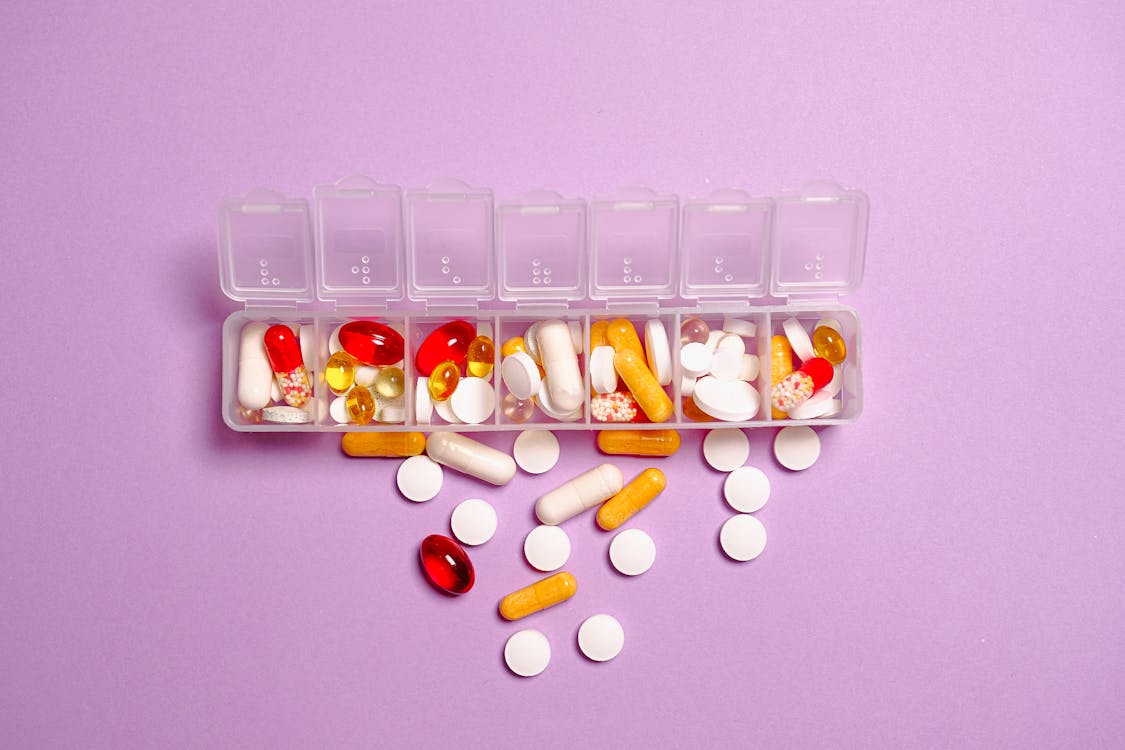
For a clean, transparently dosed supplement, direct side effects tend to be mild — most often digestive upset, headache, or, with stimulant-heavy products, restlessness and a faster heartbeat. The more important issue is interactions: how a supplement behaves alongside medication you are already taking. The list below covers the situations that matter most for men.
| If you take… | Why it matters | What to do |
|---|---|---|
| Nitrates (heart / chest-pain medicines) | Combining with hidden ED-type drugs can cause a dangerous fall in blood pressure | Check first Speak to your GP before any men’s product |
| Blood thinners (e.g. warfarin) | Some herbs and high-dose nutrients can affect clotting or bleeding risk | Confirm with a pharmacist or GP first |
| Blood-pressure medication | Some ingredients may add to or interfere with blood-pressure control | Review the full ingredient list with your GP |
| Diabetes medication | A few ingredients may affect blood sugar, compounding glucose-lowering drugs | Monitor and consult your healthcare team |
None of this means supplements are inherently dangerous. It means a sensible man reads the full ingredient list and, if he takes any of the medicines above or has a heart, liver or kidney condition, runs the product past a GP or pharmacist first. You can read more about side effects in our dedicated guide, and on how non-medicine options compare with prescription treatment in our piece on herbal vs prescription approaches. Erectile difficulty in particular can be a sign of an underlying health issue, so it is best discussed with a GP rather than self-treated with online products.
Red Flags: How to Spot a Risky Product
Most unsafe products share a recognisable pattern. You rarely need lab testing to spot them — the warning signs are usually right there on the page. Treat the presence of several of these as a reason to walk away.
- “Miracle” or cure-all claims — promises to fix a long list of unrelated problems.
- “Instant” or “works in minutes” — a food supplement is not a fast-acting drug; this language often signals adulteration.
- No dose transparency — proprietary blends instead of per-ingredient milligrams.
- No UK business address or contact details — you should be able to find who is legally responsible for the product.
- Disease-treatment claims — supplements legally cannot claim to treat or cure conditions.
- Pressure selling — countdown timers, “last few bottles”, and miracle testimonials.
The flip side is a useful green-flag list: clear per-ingredient dosing, only authorised claims, a named UK company with an address, GMP manufacturing, and realistic, modest language. For the regulatory background — what UK supplements are and are not allowed to claim — see our explainer on UK supplement regulations.
What a Safer Product Looks Like
Pulling the threads together, a lower-risk men’s supplement tends to share a short list of features. None of them guarantees an effect, but together they put a product at the transparent, accountable end of the market.
| Feature | Why it lowers risk |
|---|---|
| Full per-ingredient dosing | You and your pharmacist can see exactly what you are taking |
| Only authorised claims | No illegal disease or “miracle” promises to hide poor evidence |
| UK manufactured, GMP certified | Made to a recognised quality standard, with traceability |
| Named UK business with an address | A real, accountable company behind the product |
| No proprietary blends, no hidden stimulants | Nothing concealed; nothing for undeclared ingredients to hide behind |
How Blue Power Approaches This
Blue Power is a UK food supplement built around full transparency: every ingredient and its exact dose is printed on the label, with no proprietary blends and no hidden stimulants.
The formula is Oat extract (Avena sativa), Shilajit, Maca Root, Korean Ginseng, L-Arginine, Zinc and Vitamin C, GMP certified and UK manufactured by a named company with a UK address.
On the nutrient side, two authorised EFSA claims apply to that formula:
- Zinc contributes to the maintenance of normal testosterone levels in the blood.
- Vitamin C contributes to the reduction of tiredness and fatigue.
Transparency is about being able to check what you take — it does not make any supplement risk-free. Blue Power is a food supplement, not a medicine, and if you take prescription medication you should still check with your GP or pharmacist first.
Prefer a Transparently Dosed UK Supplement?
Seven ingredients, every dose on the label. UK manufactured, GMP certified, no proprietary blends and no hidden stimulants.
See Blue Power — Free UK DeliveryNo subscription required · 30-day supply · Free standard UK delivery
Who Should Check With a GP or Pharmacist First
Most healthy men can take a well-made food supplement without trouble, but some should get professional advice before they start. Speak to a GP or pharmacist first if you:
- take any prescription medication — especially nitrates, blood thinners, blood-pressure or diabetes drugs;
- have a heart, liver or kidney condition, or high blood pressure;
- are due to have surgery (some supplements affect bleeding and anaesthesia);
- have an ongoing concern such as erectile difficulty, which can have an underlying medical cause worth investigating;
- are unsure whether a product is genuine or what is actually in it.
Reporting side effects. Food supplements are generally well tolerated, but if you notice an unexpected reaction to any supplement you can report it to the UK regulator through the MHRA Yellow Card Scheme. Always tell your GP or pharmacist about supplements you take, especially alongside prescription medicines.
| Study | Type | Funding / Source | Status |
|---|---|---|---|
| Tucker 2018 (unapproved ingredients in supplements) | Analysis of US FDA warnings | Not disclosed in article | Not disclosed |
| Mathews 2018 (prohibited contaminants) | Review of contaminants in dietary supplements | Not disclosed in article | Not disclosed |
Editorial note — reading the adulteration evidence: The strongest evidence in this area is about contamination, not benefit. Tucker’s 2018 analysis of FDA warnings and Mathews’s review both document undeclared pharmaceutical ingredients turning up in “natural” products — a measured risk rather than a scare story. These are analyses of already-flagged products, so they describe the risky end of the market, not every supplement on a UK shelf. The honest reading is that transparency — full dosing, no proprietary blends, UK manufacture — is what separates a safer product from a gamble.
— Blue Power Research Team, reviewing Tucker et al. 2018Frequently Asked Questions About Men’s Supplement Safety
Are men’s supplements safe?
It depends on the product. A well-made UK food supplement that lists every ingredient and dose, makes only authorised claims and is made to GMP standards sits at the low-risk end. The risky end is anonymous products with hidden ingredients, “miracle” claims and no dose transparency. The safest approach is to choose transparent products and, if you take medication, check with a GP or pharmacist first.
What is the biggest risk with men’s sexual-health supplements?
Adulteration. Regulators have repeatedly found over-the-counter products marketed to men that secretly contained undeclared prescription drugs. The US FDA has flagged well over 350 such tainted products over time. The danger is that a hidden drug can interact with your medication — most seriously with nitrate heart medicines — without you or your doctor knowing it is there.
What is a proprietary blend and why is it a problem?
A proprietary blend lists several ingredients under one combined total instead of stating each dose — for example “Performance Blend 1,200mg”. It hides how much of each ingredient you actually get, so you cannot judge the dose, the safety or the value, and a pharmacist cannot advise you properly. Prefer products that print the milligrams of every ingredient.
Can supplements interact with my medication?
Yes. The most important risks are interactions, not the supplement alone. Take particular care if you use nitrates for the heart, blood thinners such as warfarin, blood-pressure medication or diabetes drugs. If any of these apply, or you have a heart, liver or kidney condition, speak to a GP or pharmacist before starting any supplement.
How can I spot a dangerous or fake supplement?
Watch for red flags: “miracle” or cure-all promises, “instant” or “works in minutes” language, no per-ingredient dosing, no UK business address or contact details, claims to treat or cure diseases, and high-pressure selling. Several of these together are a reason to avoid the product. A legitimate food supplement is transparent, modest in its claims and traceable to a named UK company.
Should I see a doctor about erectile difficulty instead of buying a supplement?
Yes, that is the sensible first step. Erectile difficulty can be an early sign of an underlying health issue, so it is best discussed with a GP rather than self-treated with online products. Our guides on herbal vs prescription options and on side effects give more background, but they are not a substitute for professional advice.
Is Blue Power safe, and does it hide its ingredients?
Blue Power is a UK food supplement that lists every ingredient and its exact dose, with no proprietary blends and no hidden stimulants. It is GMP certified, UK manufactured and made by a named company with a UK address. No supplement is risk-free, so it is a food supplement, not a medicine, and if you take prescription medication you should still check with your GP or pharmacist before use.
The Bottom Line
Are men’s supplements safe? The well-made, transparent ones are low-risk for most healthy men, but the men’s category also contains some of the worst offenders in the whole supplement market — products spiked with undeclared drugs, hidden stimulants, and doses no one can see. The good news is that the dangerous products usually announce themselves: miracle claims, “instant” results, blends instead of doses, and no accountable company behind them.
Choose products that show you everything, make only the claims the law allows, and come from a named UK business. And if you take any prescription medication or have a heart, liver or kidney condition, run any new supplement past a GP or pharmacist first. Transparency lowers risk — it does not remove it — and that honest framing is exactly how a supplement worth your trust should talk to you.
- Men’s Supplement Side Effects: What to Watch For
- Herbal vs Prescription ED Options: How They Compare
- UK Supplement Regulations & EFSA Claims Explained
References & Sources (expand)
- US Food and Drug Administration (FDA). Tainted Sexual Enhancement and Energy Products — consumer warnings and database of products found to contain undeclared drug ingredients. fda.gov
- National Center for Complementary and Integrative Health (NCCIH). “Natural” products and hidden drug ingredients — safety information. nccih.nih.gov
- Tucker J et al. (2018). Unapproved pharmaceutical ingredients included in dietary supplements associated with US FDA warnings. JAMA Network Open 1(6):e183337. PubMed 30646238
- Mathews NM (2018). Prohibited contaminants in dietary supplements. Sports Health 10(1):19–30. PubMed 28850291
- GB Nutrition and Health Claims Register / EU Reg. 432/2012 (zinc, vitamin C authorised claims). legislation.gov.uk
0 comments