

In 30 seconds
Evidence: EFSA-authorised claim: Zinc contributes to the maintenance of normal testosterone levels in the blood.
Timing: Total testosterone follows a daily rhythm and responds to sleep, weight and age, so a single blood test won't reflect a longer-term trend.
Next step: Get your baseline levels (e.g. testosterone, zinc, vitamin D) via your GP or a UK service such as Medichecks or Thriva — your own numbers to track over time.
Zinc is one of the very few mineral supplement ingredients with a European Food Safety Authority (EFSA)-approved health claim directly linking it to testosterone: "Zinc contributes to the maintenance of normal testosterone levels in the blood." (EU Regulation 432/2012, Claim ID 301) It also carries an approved claim for normal fertility and reproduction. Compared with most herbal ingredients, that's an unusually high regulatory bar — one that very few ingredients studied in testosterone research clear. The landmark Prasad 1996 study is part of the foundational evidence: zinc restriction in young men was associated with a fall in serum testosterone of 73% over 20 weeks, while in Prasad et al. (1996), zinc supplementation in marginally zinc-deficient older men was associated with higher serum testosterone over six months; this trial finding cannot be transferred to Blue Power as a label claim. Blue Power contains zinc at 10 mg (100% NRV) (Prasad et al., Nutrition, 1996).
For UK men over 40, the practical question isn't whether zinc matters — the regulatory and clinical evidence settled that — but whether you are getting enough, and whether supplementation makes sense for your situation. UK dietary surveys repeatedly find that a significant share of men have intakes below the Reference Nutrient Intake (RNI) of 9.5mg/day, particularly those with limited dietary variety or restricted diets. This guide covers the EFSA evidence, the Prasad data, the important nuances from larger trials, the best supplement forms, dietary sources, and how Blue Power's 10mg zinc dose (100% NRV) fits into a broader formula.
- EFSA-approved claim: "Zinc contributes to the maintenance of normal testosterone levels in the blood." (Regulation 432/2012, Claim ID 301)
- Prasad 1996: zinc restriction was associated with a 73% fall in serum testosterone in young men over 20 weeks (39.9 → 10.6 nmol/L)
- In Prasad et al. (1996), supplementation in marginally zinc-deficient elderly men was associated with higher serum testosterone over 6 months — a deficiency-correction trial finding that cannot be transferred to Blue Power (10mg zinc, 100% NRV)
- A 2023 systematic review (38 studies) reported an observational correlation between serum zinc and total testosterone (Te et al., 2023) — an observational association only, not proof of a supplement effect on testosterone
- Important nuance: the 2020 FAZST trial found no benefit in zinc-replete men — supplementation helps the deficient, not the already-sufficient
- EU NRV is 10mg/day; EFSA upper tolerable limit is 25mg/day — more is not better
What Is Zinc and What Role Does It Play in Testosterone Maintenance?
Zinc is an essential trace mineral involved in over 300 enzymatic reactions in the human body, including DNA synthesis, immune function, wound healing, and steroid hormone production. The body holds about 2–3 grams of zinc total, with the highest concentrations in the prostate, testes, and seminal fluid — tissue distribution that already hints at its role in male reproductive health.
Zinc is found in high concentration in the testes and is involved in steroid hormone production and in the enzymes of the hypothalamic-pituitary-gonadal (HPG) axis — which is why low zinc status is studied in relation to testosterone. The clinical significance of these pathways at NRV-aligned intakes is not established in human trials, and the only authorised claim is the EFSA maintenance wording quoted above.
The clinical relevance is that, in restriction research, reproductive testosterone endpoints were among the first to fall when zinc intake dropped. Prasad and colleagues established this in the 1990s: in their experimental zinc-restriction protocol, young healthy men's testosterone fell faster than any other endpoint they measured. The body protects zinc-dependent functions by ration order, and reproductive endocrine function is not at the top of the list.
What Are the Science-Backed Benefits of Zinc for Men?
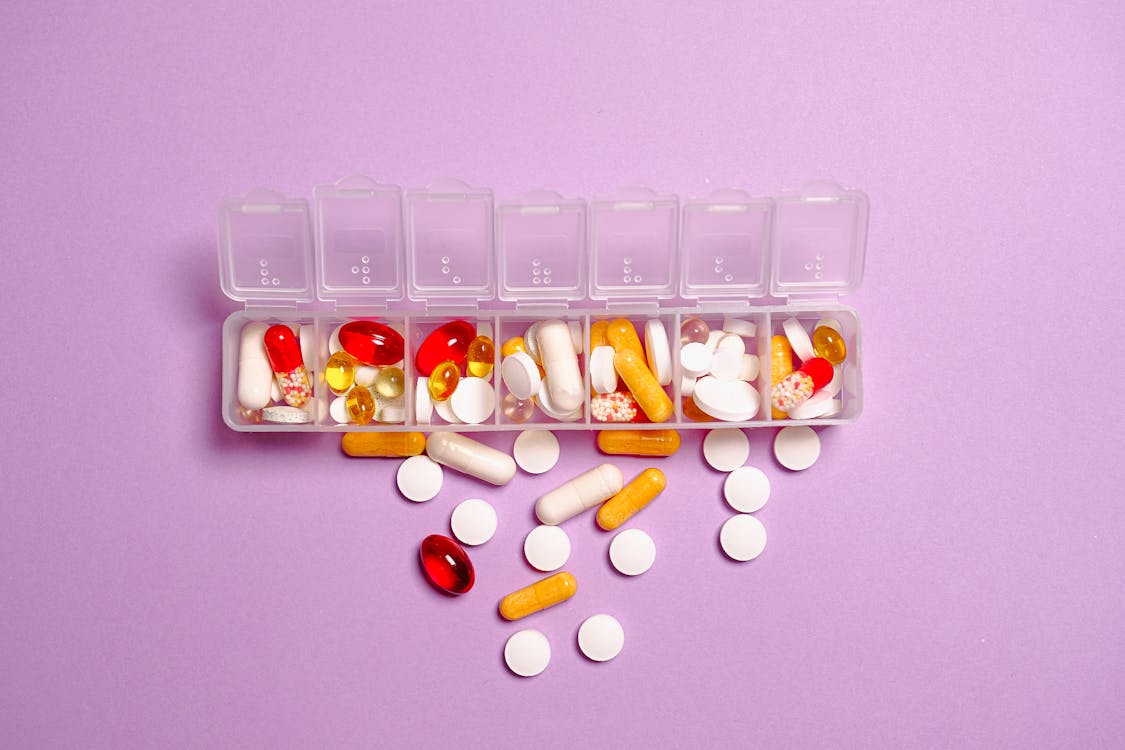
1. Testosterone Maintenance Strongest Evidence
The Prasad 1996 study remains the foundational piece of evidence and is referenced in EFSA's evaluation. In the restriction arm, young men aged 20–31 fed a zinc-restricted diet (~5mg/day) for 20 weeks saw mean serum testosterone drop from 39.9±7.1 nmol/L to 10.6±3.6 nmol/L (p=0.005) — a 73% decline. In the supplementation arm, marginally zinc-deficient elderly men aged 64–76 received zinc for 6 months, after which serum testosterone was measured higher (from 8.3±6.3 to 16.0±4.4 nmol/L, p=0.02) (Prasad et al., Nutrition, 1996). This deficiency-correction trial finding cannot be transferred to Blue Power as a label claim; Blue Power contains zinc at 10 mg (100% NRV).
Te et al. (2023) extended this picture in the largest systematic review to date, covering 38 studies (8 clinical, 30 animal). The headline finding: serum zinc is positively correlated with total testosterone, with effect size depending on basal zinc status, basal testosterone, supplement form, elemental dose, and duration (Te et al., Reprod Biol Endocrinol, 2023). In other words: zinc tracks with testosterone across these studies, but this is an observational association — not proof of a supplementation effect on testosterone in men who are already zinc-replete.
Editorial note — what the FAZST trial added: The 2020 FAZST trial randomised 2,370 couples and gave the men 30mg zinc + folic acid daily for 6 months. It found no improvement in live birth rate (34% vs 35% placebo) and slightly increased sperm DNA fragmentation in men who were not zinc-deficient (Schisterman et al., JAMA, 2020). This isn't a contradiction of Prasad — it's the same lesson stated as a warning. Zinc supplementation helps the deficient and the borderline. It does not push healthy men past their physiological set point, and at high doses in already-sufficient men it can actually be unhelpful. The takeaway: aim for the NRV (10mg/day), not maximum tolerable intake.
— Blue Power Research Team, reviewing Schisterman et al. (2020)Study Funding Transparency
Zinc is a generic mineral with no proprietary patent, so the major trials are mostly academic and government-funded. There's less manufacturer bias than in herbal-extract research:
| Study | Sample | Funding / Setting | Status |
|---|---|---|---|
| Prasad 1996 (foundational) | n=12 + n=18, restriction + supplementation | NIH-funded academic research | Independent |
| Schisterman 2020 (FAZST) | 2,370 couples | NIH-funded multicentre RCT | Independent |
| Te 2023 (systematic review) | 38 studies | Academic systematic review | Independent |
| Zhao 2016 (fertility meta) | 20 studies, 3,467 men | Academic meta-analysis | Independent |
| EFSA 2010 Scientific Opinion | Regulatory evaluation | EU food safety authority | Regulatory |
| Wegmüller 2014 (bioavailability) | 15 healthy adults | ETH Zurich academic | Independent |
2. Male Fertility & Sperm Quality Strong Evidence
EFSA's second relevant claim — "zinc contributes to normal fertility and reproduction" — is supported by independent meta-analyses. Zhao et al. (2016) pooled 20 studies comparing 2,600 infertile men with 867 fertile controls. Seminal plasma zinc was significantly lower in infertile men (standardised mean difference −0.64, 95% CI −1.01 to −0.28). Where zinc supplementation was tested, it significantly improved semen volume, sperm motility, and normal morphology (Zhao et al., Sci Rep, 2016).
The mechanisms are well mapped. Fallah et al. (2018) reviewed the role of zinc in male reproduction: it's required for spermatogenesis, maintains epithelial integrity in reproductive organs, and is essential for sperm capacitation and the acrosome reaction — the process that allows a sperm to penetrate an egg (Fallah et al., J Reprod Infertil, 2018).
3. Immune Function
Immune function is one area of zinc research. A Cochrane review on zinc and respiratory infection found modest reductions in cold duration with zinc lozenges. For men over 40, this is part of the broader case for ensuring adequate zinc — not an isolated benefit but one of several reasons that meeting the NRV matters.
4. Prostate Health
The prostate gland concentrates zinc more than any other soft tissue in the body, and zinc levels in prostate tissue drop substantially in men with prostate cancer or chronic prostatitis. Whether zinc supplementation prevents prostate problems is less clear — observational data is mixed, and high-dose zinc supplementation has been associated with adverse prostate outcomes in some studies. The conservative reading: meet the NRV, but don't take megadoses on the assumption that more is protective.
5. Antioxidant & Cellular Protection
Antioxidant activity is one area of zinc research, linked to zinc's role in the copper-zinc superoxide dismutase (Cu-Zn SOD) enzyme system. This isn't men-specific but it's part of the broader case for zinc adequacy — particularly relevant for men with active lifestyles or higher inflammatory burden.
Best Food Sources of Zinc for UK Men
The EU/UK Nutrient Reference Value (NRV) is 10mg/day, and the UK Reference Nutrient Intake (RNI) for adult men is 9.5mg/day. Most healthy mixed diets meet this; the men most at risk of suboptimal intake are those on restrictive diets, with limited protein variety, or with high alcohol intake. The richest sources:
| Food | Serving | Zinc content | % NRV | Notes |
|---|---|---|---|---|
| Oysters (cooked) | 6 medium | ~32mg | 320% | Highest zinc food in UK diet |
| Beef sirloin | 100g | ~7mg | 70% | Highly bioavailable |
| Crab (cooked) | 100g | ~6.5mg | 65% | Brown crab particularly rich |
| Pumpkin seeds | 30g | ~2.5mg | 25% | Best plant source — eat raw or roasted |
| Pork chop | 100g | ~2.5mg | 25% | Bioavailable animal source |
| Cheddar cheese | 30g | ~1.0mg | 10% | Useful but not concentrated |
| Baked beans | 200g | ~1.7mg | 17% | Phytates reduce absorption |
| Chicken breast | 100g | ~1.0mg | 10% | Lower than red meat |
Bioavailability matters as much as content. Zinc from animal sources is more readily absorbed than zinc from plant sources because phytates in grains, legumes, and seeds bind zinc and reduce uptake. EFSA recommends up to 16.3mg/day for men on high-phytate (vegetarian/vegan) diets to compensate. If your diet is limited in red meat, shellfish, and dairy, the case for ensuring adequate zinc through a multi-ingredient daily supplement is stronger.
Zinc Supplement Forms: Which Is Best Absorbed?
Not all zinc supplements are equal. The form determines how much your body actually absorbs. Wegmüller et al. (2014) measured fractional absorption across the major zinc forms in a controlled study (Wegmüller et al., J Nutr, 2014):
| Form | Typical dose | Bioavailability | Notes | Verdict |
|---|---|---|---|---|
| Zinc Picolinate | 10–25mg/day | Highest in some studies | Bound to picolinic acid; well-tolerated | Best Strong absorption profile |
| Zinc Citrate | 10–25mg/day | ~61.3% (Wegmüller 2014) | Good tolerance; widely available | Excellent everyday choice |
| Zinc Gluconate | 10–25mg/day | ~60.9% (Wegmüller 2014) | Most common in supplements | Solid, equivalent to citrate |
| Zinc Bisglycinate | 10–25mg/day | High; gentle on stomach | Chelated form; premium price | Strong choice if tolerance is an issue |
| Zinc Oxide | 10–50mg/day | ~49.9% (Wegmüller 2014) | Cheapest; lower absorption | Acceptable but inferior |
| Zinc Sulphate | 10–30mg/day | Variable | May cause GI discomfort | Avoid for daily use |
At standard NRV-aligned doses (10mg/day), all the major forms deliver useful zinc; the absorption differences matter more at marginal intake or when correcting deficiency. For most multi-ingredient men's formulas, citrate, gluconate, picolinate, or bisglycinate are all acceptable. Avoid products that don't specify the form — if the label says only "Zinc 10mg" with no form indicated, you can't make the comparison.
How Much Zinc Should Men Take? Clinical Dosage Guide
The dosing landscape for zinc is unusually narrow:
- EU NRV: 10mg/day. This is the reference intake the EFSA testosterone claim is built around.
- UK RNI for adult men: 9.5mg/day (slightly lower than EU NRV).
- EFSA upper tolerable intake (UL): 25mg/day for adults — combined diet plus supplements.
- Therapeutic correction of deficiency: 25–30mg/day for limited periods, under medical guidance.
- Long-term safety threshold: Don't exceed 40mg/day from supplements without medical input — risks copper deficiency.
In a multi-ingredient formula, 10mg of zinc (100% of the EU NRV) is a deliberate dose — enough to ensure men reach the NRV regardless of dietary variability, without pushing into the upper-tolerable territory where the FAZST evidence flags concern. This is the level at which the EFSA testosterone-maintenance claim applies.
Is Zinc Safe? Side Effects & Interactions
At NRV-aligned doses (10mg/day), zinc is well tolerated and has an excellent safety record. Adverse effects emerge mainly with higher chronic intake. The main concerns at supplemental doses:
- Long-term high-dose use (>40mg/day): Risks copper deficiency, which can cause anaemia, neuropathy, and immune dysfunction. The body uses copper-zinc balance via the same transport proteins.
- Already zinc-replete men: The FAZST trial signal of slightly increased sperm DNA fragmentation at 30mg/day in non-deficient men is a real consideration if you're already getting plenty from diet
- Antibiotic interactions: Zinc binds tetracyclines and fluoroquinolones, reducing absorption of both. Separate by at least 2 hours.
- Penicillamine and HIV protease inhibitors: Zinc reduces drug absorption; consult your prescriber.
- Diuretic medication: Some thiazide diuretics increase urinary zinc loss — you may need slightly more dietary zinc.
- GI side effects: Nausea and stomach upset are common at higher doses, particularly on an empty stomach.
At 10mg/day in a daily multi-ingredient formula, none of these concerns are typically relevant for adult men with no specific medical condition. The conservative default — meet the NRV, don't exceed it without a clinical reason — tracks the EFSA safety opinion well.
How to Choose Quality Zinc Supplements in the UK
The relevant decisions:
- Specify the form: Citrate, gluconate, picolinate, or bisglycinate are all good. Avoid products that just say "Zinc" without naming the form.
- Match the dose to NRV: 10mg/day (100% NRV) is the target for daily supplementation. Megadoses (50mg+) are not justified by the evidence and risk copper depletion.
- Multi-ingredient context: If you're already getting zinc from a multivitamin, don't stack a second zinc supplement on top. Total intake from all sources should stay within 25mg/day.
- UK GMP certification + Certificate of Analysis: Standard quality markers; nothing zinc-specific.
- Avoid high-dose zinc-only products marketed as standalone men's supplements: Products dosed at 50–100mg/day of zinc as a single-ingredient supplement are not aligned with the EFSA evidence and may cause copper depletion with long-term use.
Why Does Blue Power Include 10mg Zinc (100% NRV) in Its Formula?
Blue Power Ingredient Spotlight: Zinc 10mg (100% NRV)
Blue Power contains 10mg Zinc — exactly the EU NRV — alongside seven other ingredients in one daily tablet. GMP certified, UK manufactured, with fully transparent dosing.
Full formula per tablet:
- Oat extract (Avena sativa) 10:1 50mg · Shilajit 50mg · Maca Root 50mg · Korean Ginseng 5:1 100mg
- L-Arginine 50mg · Zinc 10mg · Vitamin C 80mg
Of these seven ingredients, two carry EFSA-authorised claims. Zinc contributes to the maintenance of normal testosterone levels in the blood. Zinc contributes to normal fertility and reproduction. Vitamin C contributes to the reduction of tiredness and fatigue. Vitamin C contributes to normal energy-yielding metabolism.
Blue Power's 10mg zinc dose is deliberate. It hits 100% of the EU NRV (the level at which the EFSA testosterone claim applies), uses a well-absorbed form, and stays comfortably within the safe range so that men with reasonable dietary zinc intake aren't pushed near the upper tolerable limit. For men on restrictive diets or with low animal-product intake, this baseline matters. For men already eating plenty of red meat and shellfish, it's still a useful safety net without being excessive.
Try Blue Power — Contains Zinc 10mg (100% NRV)
One daily tablet. 8 science-backed ingredients. GMP certified, UK made, fully transparent dosing.
Get Blue Power — Free UK DeliveryNo subscription required · 30-day supply · Free standard UK delivery
Reporting side effects. Food supplements are generally well tolerated, but if you notice an unexpected reaction to any supplement you can report it to the UK regulator through the MHRA Yellow Card Scheme. Always tell your GP or pharmacist about supplements you take, especially alongside prescription medicines.
Why Blue Power uses these doses
Blue Power is a once-daily multi-ingredient tablet, not a single high-dose extract. That is a deliberate design choice, and it explains why some ingredient amounts are lower than the doses used in single-ingredient clinical trials.
Each ingredient is included at an amount tied to its own nutritional role and to UK safe-intake limits. For example, zinc is included at 10 mg — 100% of the EU Nutrient Reference Value — which is the amount at which the authorised claim applies: “Zinc contributes to the maintenance of normal testosterone levels in the blood.” Larger amounts are not more useful: the 2020 FAZST trial found no benefit from high-dose zinc in men who already had enough, and intakes above 40 mg/day risk copper depletion.
The same principle applies across the formula. A daily supportive amount within safe limits is the goal, rather than replicating a short-term single-agent research protocol. Where a botanical is present at a lower amount than a trial used, that trial result cannot be transferred to Blue Power as a product claim — it is background evidence about the ingredient, not a promise about the tablet.
Frequently Asked Questions About Zinc & Testosterone
What does the evidence say about zinc and testosterone levels?
The EFSA-authorised claim is: "Zinc contributes to the maintenance of normal testosterone levels in the blood." This is a maintenance claim, not a boosting claim. In Prasad et al. (1996), zinc restriction in young healthy men was associated with a 73% fall in serum testosterone over 20 weeks, and zinc supplementation in marginally zinc-deficient elderly men was associated with a near-doubling of serum testosterone over six months; this trial finding cannot be transferred to Blue Power as a label claim. Blue Power contains zinc at 10 mg (100% NRV). The 2020 FAZST trial found no benefit in zinc-replete men. The practical picture: adequate zinc intake is associated with normal testosterone maintenance in men with suboptimal dietary intake. It does not elevate testosterone in men who are already zinc-sufficient.
How much zinc should men take per day?
The EU NRV is 10mg/day and the UK RNI is 9.5mg/day. The EFSA upper tolerable intake is 25mg/day from all sources combined (diet plus supplements). For daily supplementation in a multi-ingredient formula, 10mg/day is the target dose. Therapeutic correction of deficiency uses 25–30mg/day under medical guidance. Long-term intakes above 40mg/day risk copper deficiency.
What's the best form of zinc supplement?
Zinc citrate, gluconate, picolinate, and bisglycinate all have good absorption profiles. Wegmüller 2014 measured 60.9% bioavailability for gluconate and 61.3% for citrate. Zinc oxide is cheaper but absorbed less well (~49.9%). At standard 10mg doses the differences are modest; at marginal intake, picolinate and bisglycinate may have a slight edge. Avoid products that don't disclose the form on the label.
Are oysters really the best food source of zinc?
Yes. A typical serving of cooked oysters delivers ~32mg of zinc — over 320% of the EU NRV. Beef sirloin, crab, pork, and pumpkin seeds are the next-best sources. For men on restricted diets or with low animal-product intake, the gap between dietary intake and the NRV is where supplementation makes the strongest case. Vegetarian and vegan men typically need 30–50% more total zinc to compensate for phytate-driven absorption losses.
Can you take too much zinc?
Yes. The EFSA upper tolerable intake is 25mg/day from all sources. Long-term intakes above 40mg/day can cause copper deficiency, anaemia, neuropathy, and immune dysfunction. The 2020 FAZST trial — which used 30mg/day — showed slightly increased sperm DNA fragmentation in zinc-replete men. The conservative rule: meet the NRV (10mg/day), don't aim for maximum.
Does zinc help with sperm count and male fertility?
The EFSA claim "zinc contributes to normal fertility and reproduction" is supported by Zhao 2016, a meta-analysis of 20 studies (n=3,467) showing seminal plasma zinc is significantly lower in infertile men, and supplementation improves semen volume, sperm motility, and morphology. However, the largest RCT (FAZST 2020) found no improvement in live birth rate at 30mg/day in already-sufficient men. As with testosterone, zinc helps the deficient and supports normal function in everyone — it doesn't force fertility above baseline.
The Bottom Line: Is Zinc Worth Supplementing for Men Over 40?
Zinc is the closest thing to a "regulatory consensus" men's mineral available. EFSA's authorised claim wording is unusually clear: "Zinc contributes to the maintenance of normal testosterone levels in the blood." The Prasad 1996 study established the mechanism in a way no herbal ingredient has matched, and Te 2023's 38-study systematic review confirmed the correlation across decades of research.
The honest caveats matter. Zinc is most useful for men with suboptimal intake — restricted diets, limited red meat or shellfish, vegetarian/vegan, or older men with reduced absorption. The FAZST 2020 trial is a clear warning that megadoses don't help already-sufficient men and may cause harm. The right approach is meeting the NRV reliably, not pushing toward the upper tolerable limit.
In a multi-ingredient men's formula, 10mg of zinc (100% NRV) at a well-absorbed form provides a solid foundation alongside seven other ingredients at transparent doses. Zinc doesn't need to do everything; it just needs to do its part reliably — which is precisely what the EFSA maintenance claim reflects.
References & Sources (expand)
- Prasad AS et al. (1996). Zinc status and serum testosterone levels of healthy adults. Nutrition 12(5):344-348. PubMed 8875519
- EFSA Panel on Dietetic Products, Nutrition and Allergies (2010). Scientific opinion on the substantiation of health claims related to zinc. EFSA Journal 8(10):1819. EFSA 2010
- European Commission Regulation (EU) No 432/2012. Establishing a list of permitted health claims made on foods. EUR-Lex 432/2012
- Te L et al. (2023). Correlation between serum zinc and testosterone: a systematic review. Reprod Biol Endocrinol. PubMed 36577241
- Zhao J et al. (2016). Zinc levels in seminal plasma and their correlation with male infertility: a systematic review and meta-analysis. Sci Rep 6:22386. PMC 4773819
- Schisterman EF et al. (2020). Effect of folic acid and zinc supplementation in men on semen quality and live birth among couples undergoing infertility treatment (FAZST). JAMA 323(1):35-48. PubMed 31910279
- Fallah A et al. (2018). Zinc is an essential element for male fertility: a review of Zn roles in men's health. J Reprod Infertil 19(2):69-81. PubMed 30009140
- Wegmüller R et al. (2014). Zinc absorption by young adults from supplemental zinc citrate is comparable with that from zinc gluconate and higher than from zinc oxide. J Nutr 144(2):132-136. PubMed 24259556
- UK Scientific Advisory Committee on Nutrition (SACN). Dietary reference values for zinc. SACN UK
- Cochrane review (2013). Zinc for the common cold. Cochrane CD001364
- Costello LC, Franklin RB (2016). A comprehensive review of the role of zinc in normal prostate function and metabolism, and its implications in prostate cancer. Arch Biochem Biophys. PubMed 27025447
- Roohani N et al. (2013). Zinc and its importance for human health: an integrative review. J Res Med Sci. PMC 3724376
0 comments