

In 30 seconds
Evidence: This review compares gummy and tablet formats on disclosed dose, sugar content and price per serving — not on promised effects.
Timing: Gummies and tablets are both taken daily as food supplements, not before a specific occasion; format affects how much active ingredient reaches each dose.
Next step: See Blue Power's fully disclosed 7-ingredient tablet formula, with every dose listed on the product page.
Male enhancement gummies are everywhere. Shilajit gummies, men’s multivitamin gummies, energy gummies — the UK supplement aisle has been quietly taken over by chewable, fruity-flavoured products promising to support men’s vitality and daily energy. The market is enormous: an industry analysis valued the UK gummy supplement market at $387 million in 2023, projected to reach $1.2 billion by 2033 (Nova One Advisor, 2024).
But behind the colourful packaging and friendly branding, there are real questions about dosing accuracy, sugar content, and whether a gummy can deliver enough active compound to match what clinical studies actually use. This UK review walks through the evidence, compares gummies to the formats used in research (Shilajit capsules, Tongkat Ali tablets), and explains why most standardised men’s health supplements still use a tablet format.
- Gummies contain 2–8g of sugar per serving and are physically limited in how much active ingredient they can hold
- Independent testing found nearly 30% of gummy multivitamins fail quality testing — the highest failure rate of any supplement format (ConsumerLab, 2023)
- The FDA has identified 776+ tainted supplements, with 45.5% being sexual enhancement products and 81.3% containing hidden sildenafil analogues (Tucker et al., JAMA Network Open, 2018)
- Shilajit gummies typically deliver 150–300mg of non-standardised extract — well below the 500mg/day standardised dose used in the 2016 Pandit et al. RCT
- One genuine exception: a vitamin D3 gummy showed 2.12× higher bioavailability versus tablets (Biancuzzo 2019) — but that finding does not transfer to multi-ingredient men’s formulas
- Almost no human RCTs in men’s health use a gummy format. The clinical evidence base lives in capsules and tablets.
What Are Male Enhancement Gummies and How Do They Work?
Male enhancement gummies are chewable, candy-like supplements marketed to men for daily wellbeing and energy. Common ingredients include Tongkat Ali, horny goat weed (icariin), maca root, ashwagandha, L-arginine, zinc, and B-vitamins. A fast-growing sub-category is shilajit gummies, riding the wider surge in popularity of Shilajit as an energy and vitality supplement — UK monthly searches for “shilajit gummies” alone exceed 6,500.
The format itself is a hybrid of a confection and a supplement. A typical gummy weighs 3–5g total — mostly gelatin or pectin, sugar (or sugar alcohols), citric acid, flavours, and colours — with the active ingredients squeezed into the remaining 250–500mg per piece. They typically retail for £12–25 for a month’s supply and position themselves as a more enjoyable alternative to swallowing capsules. But “easier to take” is not the same as “equally effective”, and that is where the clinical picture gets uncomfortable.
The 2018 JAMA Network Open analysis of FDA enforcement data found that of 776 adulterated dietary supplements, sexual enhancement products were the single largest category at 45.5%, and 81.3% of those contained undeclared sildenafil or its structural analogues (Tucker et al., 2018). This applies to pills and gummies alike — and it is the single most important reason to buy from brands that publish third-party testing.
What Does the Science Actually Say About Gummies for Men?

1. Lower Active Ingredient Doses Critical Issue
The gummy matrix is the first constraint. After excipients (gelatin/pectin, sugar, citric acid, colours, flavours), each gummy has room for roughly 250–500mg of active ingredients. That is workable for a single vitamin, but it becomes a serious problem for botanical extracts that need higher doses. In a 2016 RCT (Pandit et al., n=75, men aged 45–55), purified shilajit at 500mg/day was associated with a 20.45% change in total testosterone and 19.14% in free testosterone over 90 days (Pandit et al., Andrologia, 2016). This is a trial finding for the ingredient at the trial dose and is not a label claim for any gummy or for Blue Power. Most shilajit gummies deliver 150–300mg of unspecified extract.
2. Sugar Content Adds Up Strong Evidence
Gummy supplements typically contain 2–8 grams of sugar per serving (UCLA Health, 2023). For a single gummy that is trivial. Stack three (multivitamin + omega-3 + shilajit gummy) and a man can easily add 8–15g of added sugar a day — up to 42% of the American Heart Association’s 36g/day ceiling for men. Dental health is a parallel concern: gummies stick to teeth, contain citric acid, and are eaten daily — a textbook recipe for enamel erosion and cavities.
3. Dosing Accuracy Problems
Independent testing tells a concerning story. ConsumerLab’s 2023 review found that nearly 30% of gummy multivitamins failed quality testing — the worst pass rate of any supplement format. In 2024, the same body found that half of tested creatine gummies contained little creatine and/or had impurities (ConsumerLab, 2023, 2024). Manufacturers often deliberately overfill fresh gummies to compensate for degradation during shelf life, which means the dose drifts down across the bottle — you get too much at first, too little later.
4. Heat Degrades Botanical Extracts
Gummy production requires heating the gelatin or pectin matrix to 70–90°C. That is fine for heat-stable nutrients like vitamin D3 or zinc gluconate. It is a different question for botanicals. Tongkat Ali’s eurycomanone, shilajit’s fulvic and humic acids, and ashwagandha’s withanolides all contain heat-sensitive bioactives that can degrade during processing. No published studies have compared botanical bioavailability between gummy and capsule form — that data gap, after a decade of gummy growth, is itself a red flag.
Where the Evidence on Gummies Comes From
Most public claims about gummy effectiveness come either from product brands or from market-research firms. Independent peer-reviewed clinical evidence is concentrated in a small number of vitamin-only studies. Below is the funding profile of the key sources used in this review:
| Source | Type | Funding / Format | Status |
|---|---|---|---|
| Tucker 2018 (FDA tainted supplements) | JAMA Network Open analysis | Academic, US-government data | Independent |
| Biancuzzo 2019 (vitamin D3 gummy) | Pharmacokinetic RCT | Academic, NIH-supported | Independent |
| ConsumerLab 2023–2024 | Independent product testing | Subscriber-funded, non-industry | Independent |
| Pandit 2016 (shilajit) | RCT (capsule) | Funded by Natreon (PrimaVie) | Industry |
| Talbott 2013 (Tongkat Ali) | RCT (capsule) | Funded by Biotropics Malaysia | Industry |
| Nova One Advisor (UK gummy market) | Market sizing report | Commercial, paywalled | Industry |
The pattern is consistent: independent academic and FDA-derived data is what cautions against gummies for men’s health, while the rosy claims tend to come from market-research and brand-funded sources. Both types of evidence have a place — but only the independent data has tested whether the format delivers a clinically meaningful dose.
Editorial note — on convenience versus clinical match: Compliance is the most underrated variable in supplement effectiveness — a moderate dose taken daily beats a clinical dose that sits in the cupboard. Gummies win on compliance. The problem is not gummies as such; it is that the dose ceiling, the sugar load, and the absence of standardisation conspire to make most male-enhancement gummies a different product from what the published trials studied. For a vitamin D3 gummy, the trade-off works. For a multi-ingredient men’s formula, the maths simply does not.
— Blue Power Research Team, reviewing ConsumerLab (2023) and Biancuzzo et al. (2019)Shilajit Gummies vs Other Formats: How Do They Compare?
Shilajit gummies are the highest-volume sub-segment in the UK male-enhancement gummy space, so they are the cleanest place to compare formats. The table below shows the practical differences between resin, capsules/tablets, and gummies on the parameters that determine whether a product can plausibly deliver the result men are buying it for.
| Format | Typical Dose | Fulvic Acid Standardised? | Daily Sugar | Clinical Match |
|---|---|---|---|---|
| Resin | 250–500mg | Highest natural density (variable) | 0g | Closest to research material |
| Capsules / Tablets | 250–500mg standardised | Yes (typically 50–75%) | 0g | Best Match — format used in RCT |
| Gummies | 150–300mg extract | Rarely | 2–6g | Below clinical doses |
The point is not that shilajit does not work — the standardised, purified form has genuine evidence behind it (see our complete Shilajit guide). The point is that a gummy at 200mg of unspecified extract is a different product from a 500mg standardised capsule. Without a fulvic-acid percentage on the label, there is no way to compare what is in the bottle with what was tested in the trial. Men paying gummy prices for trial-level results are usually not getting either.
How Much Should Men Take? Clinical Doses vs Gummy Doses
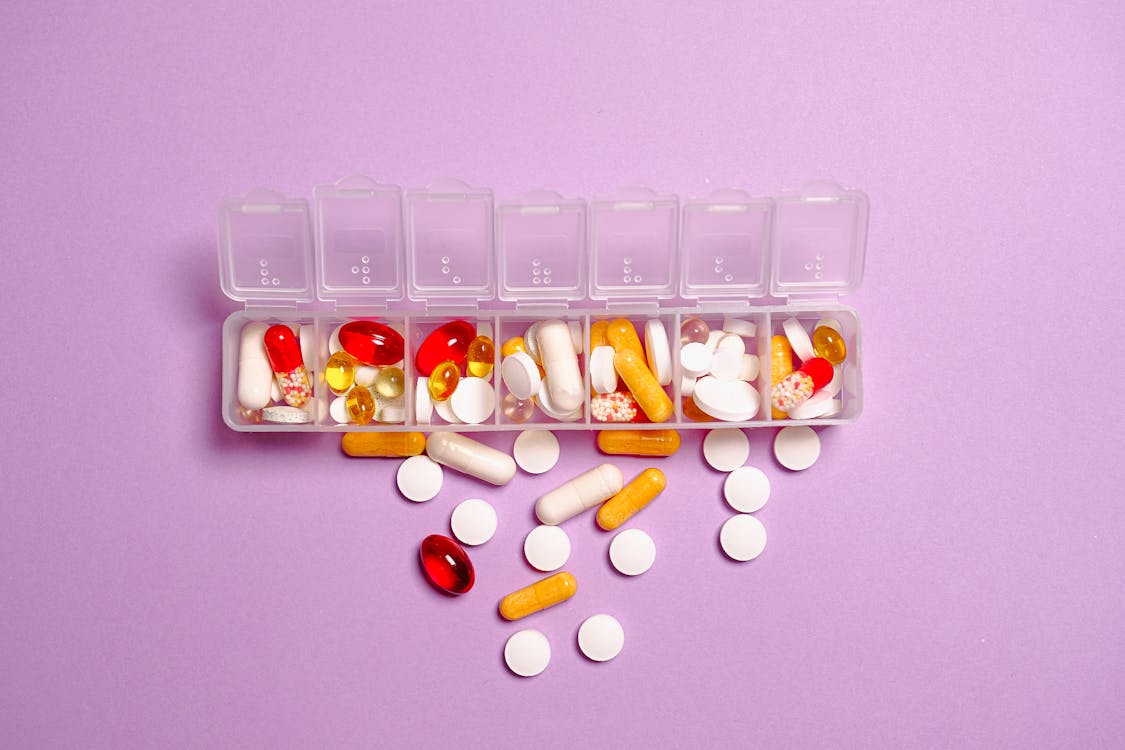
The starting point for any honest dosage discussion is the dose used in the published RCT — not the dose the brand wishes you would buy. For shilajit, that is 500mg/day of standardised PrimaVie for 90 days (Pandit 2016). For Tongkat Ali, it is 200mg/day of standardised hot-water extract for 4–12 weeks (Talbott 2013, Chinnappan 2021). For L-arginine, a 2019 meta-analysis of 10 RCTs found that doses of 1,500–5,000mg/day produced a statistically significant improvement in erectile function (OR 3.37, p=0.01) (Rhim et al., J Sex Med, 2019). Most male-enhancement gummies fall well short on at least one ingredient.
The honest summary on dosing: if a gummy product specifies both the standardisation percentage and the milligram weight, and matches the dose used in the published RCT, it is a reasonable choice. If it does only one of those things — or neither — it is a cosmetics-grade product wearing a clinical wrapper.
Are There Side Effects or Safety Concerns?
The clinical-dose safety profile of the underlying ingredients (Shilajit, Tongkat Ali, maca, ginseng) is generally reassuring across multiple human trials. The safety risks specific to gummies are largely structural: heat-degraded actives that may not behave as expected, dosing accuracy that drifts across the bottle, sugar load over time, and — the most serious — the elevated rate of adulteration in sexual-enhancement products of any format.
- Diabetics or pre-diabetics: 2–8g of added sugar per serving, taken daily, is not nothing — check the nutrition panel
- Men on PDE5 inhibitors (Viagra/Cialis): the FDA has flagged sildenafil contamination in a high proportion of sexual-enhancement supplements; combining the two is a cardiovascular risk
- Anyone with fructose malabsorption or IBS: sugar alcohols (sorbitol, maltitol) used in “sugar-free” gummies commonly trigger digestive symptoms
- Men at risk of dental erosion: sticky, citric-acid-laden gummies eaten daily are not gentle on enamel
- Anyone considering a stack of multiple gummy products: compound the sugar load before deciding
- Pregnant or breastfeeding women, under-18s: male enhancement formulas are not studied in these groups
The rule that protects men from the worst of it is simple: only buy from brands that publish a Certificate of Analysis (CoA) covering identity, heavy metals, microbial contamination, and an FDA/MHRA-aligned screen for undeclared pharmaceutical drugs. If a brand cannot show one, the price advantage is not real.
How to Choose Quality Male Enhancement Supplements in the UK
Whether the format is a gummy, a capsule, or a tablet, the quality criteria are the same. The difference is that gummies need to clear a higher bar to match what the published trials used. The five things to check before buying:
- Standardisation percentage on the label: for shilajit, look for fulvic acid ≥50%. For Tongkat Ali, 1–1.5% eurycomanone (Malaysian Standard MS 2409:2011). For horny goat weed, 10%+ icariin. “100:1 extract” without a percentage tells you nothing.
- Dose match to RCT: compare the milligram dose on the bottle to the dose used in the published trial — not the dose used in lab cell studies. If the gummy delivers under 50% of the RCT dose, the result is unlikely to reproduce.
- Third-party testing: a Certificate of Analysis (CoA) covering identity, active content, heavy metals, microbial contamination, and a pharmaceutical-adulterant screen. UK brands that refuse to publish a CoA are doing so for a reason.
- GMP certification: UK or EU Good Manufacturing Practice ensures consistent batch-to-batch quality. Ask for the certificate if it is not on the website.
- Dose transparency, not proprietary blends: a label that says “Men’s Vitality Blend 1,200mg” without per-ingredient amounts has hidden the only number that matters.
Why Does Blue Power Use a Tablet Format Instead of Gummies?
Blue Power: 7 Ingredients, 1 Tablet, Zero Sugar
Blue Power is a single daily tablet containing seven evidence-led ingredients at clinical-style doses — not a chewable cosmetic. The format choice is deliberate, and it is driven by what the published RCTs use.
Three reasons the tablet wins for a multi-ingredient men’s formula:
- Dose capacity: a tablet can hold >1,000mg of actives per piece — a gummy maxes out around 500mg total before excipients squeeze it back. With seven ingredients, the gummy maths simply does not balance.
- Standardisation preserved: tablets are compressed cold. No 70–90°C heating step that degrades eurycomanone, withanolides, or icariin. What is on the certificate of analysis is what reaches the stomach.
- Synergy without sugar: Oat extract (Avena sativa) 10:1 50mg + Shilajit 50mg + Korean Ginseng 100mg + Zinc 10mg + L-Arginine 50mg + Maca 50mg + Vitamin C 80mg — eight pathways, one tablet, zero added sugar.
Full formula: Oat extract (Avena sativa) 10:1 50mg · Shilajit 50mg · Maca Root 50mg · Korean Ginseng 5:1 100mg · L-Arginine 50mg · Zinc 10mg · Vitamin C 80mg · GMP certified, UK manufactured.
For UK men comparing options, the relevant alternative is not gummies versus tablets in the abstract — it is whether your daily product matches the trials behind its claims. We compare to other UK men’s supplements directly in our Mendurance review, where the same standardisation-first criteria apply.
Try Blue Power — Seven Ingredients, One Tablet, No Sugar
Clinical-style doses. UK manufactured, GMP certified, fully transparent label.
Get Blue Power — Free UK DeliveryNo subscription required · 30-day supply · Free standard UK delivery
Stacking with vitamin D. Blue Power focuses on circulatory and everyday-wellbeing ingredients and does not contain vitamin D. Between October and March in the UK, the NHS advises adults to consider a daily 10 µg (400 IU) vitamin D supplement. If you want vitamin D cover, take a separate D3 capsule with a morning meal alongside your daily tablet, ideally after checking your level with your GP.
Checking your levels. To understand your baseline before or during supplementation, ask your GP about a blood test on the NHS, or use a UK home-testing service such as Medichecks, Thriva or Monitor My Health. Reviewing results with a qualified clinician is recommended.
Reporting side effects. Food supplements are generally well tolerated, but if you notice an unexpected reaction to any supplement you can report it to the UK regulator through the MHRA Yellow Card Scheme. Always tell your GP or pharmacist about supplements you take, especially alongside prescription medicines.
Quick cost check. Roughly how much do you spend on supplements each month? Drag the slider to see how a single daily tablet compares on price alone.
Per year, that works out at about £480. Blue Power is £19.99 a month (£239.88 a year) for one daily tablet with seven disclosed ingredients. That is about £240 a year more than Blue Power.
This is a price comparison only and says nothing about what any supplement does. Retail prices vary; figures are indicative.
Frequently Asked Questions About Male Enhancement Gummies
Are male enhancement gummies effective?
For most multi-ingredient men’s formulas, the honest answer is: there is no human RCT showing the gummy format reproduces the results of the underlying ingredients. Gummies typically deliver under 50% of the standardised dose used in the published trials. The exception is single-vitamin gummies (notably vitamin D3), where one 2019 RCT found a 2.12× bioavailability advantage over tablets (Biancuzzo et al., Nutrients, 2019).
Are shilajit gummies as good as capsules or tablets?
No, on the available evidence. In the 2016 Pandit et al. RCT (n=75), 500mg/day of standardised PrimaVie shilajit in capsule form was used for 90 days. This is a trial finding for the ingredient at the trial dose; it is not a label claim for any gummy or for Blue Power (Pandit et al., Andrologia, 2016). Most UK shilajit gummies deliver 150–300mg of unspecified extract without a fulvic acid percentage on the label. Without standardisation, there is no way to verify the active compound content matches the trial.
How much sugar is in supplement gummies?
Gummy supplements typically contain 2–8g of added sugar per serving (UCLA Health, 2023). Men stacking multiple gummy products (multivitamin + omega-3 + shilajit gummy) can add 8–15g of sugar daily — up to 42% of the AHA’s 36g/day cap for men. Sugar-free gummies often substitute sugar alcohols (sorbitol, maltitol) which can trigger digestive symptoms.
Can male enhancement gummies contain hidden drugs?
It happens often enough to be a structural risk. A 2018 JAMA Network Open analysis of 776 adulterated dietary supplements found 45.5% were sexual enhancement products, of which 81.3% contained undeclared sildenafil or its structural analogues (Tucker et al., 2018). The pattern applies to gummies as much as pills. Always buy from brands that publish a third-party Certificate of Analysis covering pharmaceutical adulterants.
What is better for men’s health: gummies or tablets?
For multi-ingredient men’s formulas, tablets and capsules are better. They hold higher doses, preserve heat-sensitive botanical extracts, are standardised, contain no added sugar, and match the format used in clinical trials. Gummies win only for single, fat-soluble vitamins (notably D3) and for men who genuinely cannot swallow tablets — in which case compliance trumps everything.
Do any UK shilajit gummies meet clinical-trial standards?
Very few. To match the published evidence, a gummy would need to specify fulvic acid percentage (target ≥50%), deliver 250–500mg of extract per daily serving, and publish a third-party Certificate of Analysis. Most UK shilajit gummies meet none of those. The standardised Shilajit capsule format remains the closer match to research.
The Bottom Line: Are Male Enhancement Gummies Worth It?
Male enhancement gummies are a genuine commercial phenomenon and, for a single fat-soluble vitamin, a defensible format. For a multi-ingredient men’s daily formula covering general wellbeing and energy, the structural problems — dose ceiling, sugar load, dosing accuracy, heat degradation, and the absence of standardisation on most labels — mean the format does not currently match what the clinical trials use. The result is a category that often sells the impression of a research-backed product without delivering the dose the research actually used.
If you genuinely cannot swallow tablets, a gummy you take every day still beats a high-strength capsule that lives in the cupboard. If you can swallow tablets, the maths is straightforward: a single tablet with eight clinically dosed ingredients matches the format the published evidence is built on, costs less per effective dose, and skips the sugar.
The question is not really “gummies versus tablets” in the abstract. It is whether the daily product you have chosen specifies its standardisation, matches the RCT dose, and has a third-party CoA on file. Get those three right and the format becomes secondary. Get them wrong and the format will not save you.
References & Sources (expand)
- Tucker J et al. (2018). Unapproved Pharmaceutical Ingredients Included in Dietary Supplements Associated With US FDA Warnings, 2007–2016. JAMA Network Open 1(6):e183337. PMC6324457
- Biancuzzo RM et al. (2019). Bioavailability of vitamin D from a chewable gummy versus a tablet. Nutrients 11(7):1463. PMC6566230
- ConsumerLab (2023). Best and Worst Multivitamins — Nearly 30% Failed Testing. consumerlab.com
- ConsumerLab (2024). Creatine Gummies Quality Testing Report. consumerlab.com
- UCLA Health (2023). Should You Take Gummy Vitamins? uclahealth.org
- Pandit S et al. (2016). Clinical evaluation of purified Shilajit on testosterone levels in healthy volunteers. Andrologia 48(5):570–5. PubMed 26395129
- Talbott SM et al. (2013). Effect of Tongkat Ali on stress hormones and psychological mood state in moderately stressed subjects. JISSN 10:28. PubMed 23705671
- Rhim HC et al. (2019). The potential role of arginine supplements on erectile dysfunction: a systemic review and meta-analysis. Journal of Sexual Medicine 16(2):223–234. PubMed 30770070
- Shin D et al. (2023). Efficacy and safety of maca (Lepidium meyenii) in patients with symptoms of late-onset hypogonadism: a randomised, double-blind, placebo-controlled clinical trial. World J Mens Health 41(3):692–701. PubMed 36593713
- Nova One Advisor (2024). UK Gummy Market Size & Forecast Report. novaoneadvisor.com
- FDA. Tainted Sexual Enhancement Products — Health Fraud Notifications. fda.gov
- Chinnappan SM et al. (2021). Efficacy of Physta water extract of Eurycoma longifolia on testosterone levels and physical performance in elderly men. Food & Nutrition Research 65:5647. PubMed 34262417
0 comments