

In 30 seconds
Evidence: The one authorised claim here is that Zinc contributes to the maintenance of normal testosterone levels in the blood. Everything else on Korean ginseng is presented as trial evidence, not a product claim.
Timing: Hormone and immune-marker blood tests reflect only the day they're taken; results can shift over weeks with sleep, training, and age, regardless of any supplement.
Next step: A baseline blood panel — via your GP or a UK service such as Thriva — gives you your own numbers to track over time.
Korean ginseng (Panax ginseng C.A. Meyer) is one of the most-studied herbal supplements in the world. A 2021 Cochrane systematic review pooled 9 randomised controlled trials covering 587 men and found Korean Red Ginseng made men 2.55 times more likely to achieve intercourse compared to placebo (RR 2.55, 95% CI 1.76–3.69) — this is a trial finding, not a label claim (Lee et al., Cochrane Database, 2021).
That is a Cochrane-grade body of evidence — rare in the herbal supplement space. Add a 2022 exercise-endurance meta-analysis, a 14-week immune-function RCT in older adults, and a 6-month cognitive trial in mild cognitive impairment, and Korean ginseng emerges as one of the few botanicals that earns its “adaptogen” label. This UK guide explains the difference between Korean Red, white, American, and Siberian ginseng, walks through the dosing data, and shows where Korean ginseng fits alongside Shilajit and Tongkat Ali for men over 40.
- Trial finding: A 2021 Cochrane review of 9 RCTs (587 men) found Korean Red Ginseng associated with 2.55× vs placebo rate of intercourse, IIEF-5 +2.39 points at trial doses — not a label claim for Blue Power (Lee et al., 2021)
- Trial finding: Hong et al., 2002 RCT (n=45, 2,700mg/day for 8 weeks): 60% of men on Korean Red Ginseng reported improved erections vs 20% on placebo — trial dose, not a label claim (Hong et al., J Urology, 2002)
- Exercise time-to-exhaustion improved SMD 0.58 (95% CI 0.22–0.95) across 5 RCTs (2022 meta-analysis)
- NK-cell immune activity rose 40.2% over 14 weeks in adults aged 50–75 (Yun et al., 2014)
- Active compounds: ginsenosides — look for products standardised to ≥4% total ginsenosides or specifying Rg1, Rb1, Rg3 content
- Safety review of 44 RCTs (3,092 participants): no serious adverse events at clinical doses (Kim et al., 2015)
What Is Korean Ginseng and Why Does the Type Matter?
Korean ginseng (Panax ginseng) is a slow-growing perennial herb native to the mountainous regions of Korea and northern China. Cultivation takes 4–6 years before the root reaches the saponin density used in clinical trials — one of the reasons quality Korean ginseng commands the prices it does. The English genus name Panax derives from “panacea”, reflecting the breadth of conditions it has historically been used for in traditional Chinese medicine.
The active compounds are ginsenosides, a family of 30+ steroidal saponins, with Rb1, Rb2, Rc, Rd, Re, Rf, Rg1, and Rg3 the most pharmacologically studied. Different ginsenosides drive different effects: Rg1 leans toward CNS stimulation and exercise performance, Rb1 toward cognitive and sedative effects, Rg3 toward circulation and immune modulation. The ratio depends on processing — which is why “Korean Red Ginseng” (steamed) and “white” (air-dried) behave differently in trials.
| Ginseng type | Botanical name | Main use | Verdict |
|---|---|---|---|
| Korean Red Ginseng | Panax ginseng (steamed) | Erectile function, exercise, immunity | Best Evidence |
| Korean White Ginseng | Panax ginseng (air-dried) | General energy, milder effects | Useful but less studied for ED |
| American Ginseng | Panax quinquefolius | Cognitive support, blood sugar | Different ginsenoside profile, calming |
| Siberian Ginseng | Eleutherococcus senticosus | Adaptogenic, fatigue | Not actually ginseng — no ginsenosides |
What Are the Science-Backed Benefits of Korean Ginseng for Men?
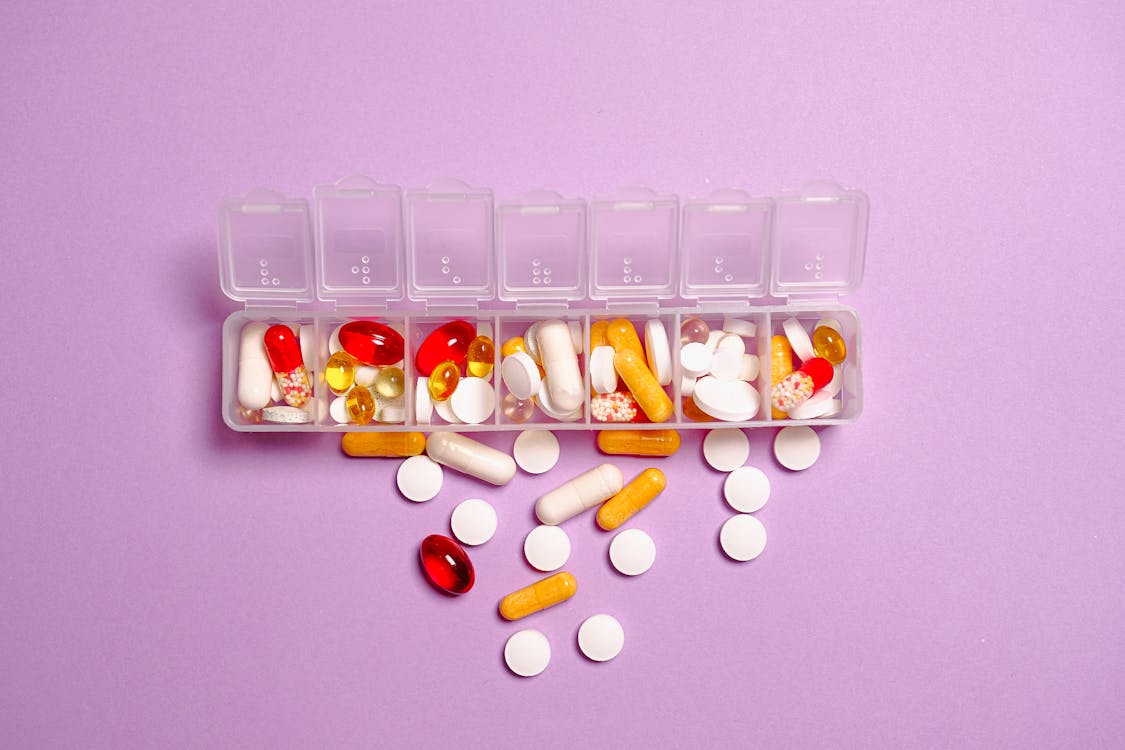
1. Blood Flow & Erectile Function Strongest Evidence
The strongest clinical evidence for Korean ginseng in men is for blood flow and erectile function. The landmark double-blind, placebo-controlled crossover RCT gave 45 men with ED 900mg of Korean Red Ginseng three times daily (2,700mg/day total) for 8 weeks. 60% of men on ginseng reported improved erections, versus 20% on placebo. IIEF scores rose from 28.0 to 38.1 in the ginseng arm versus 30.9 on placebo (p<0.05) (Hong et al., Journal of Urology, 2002).
Study Funding Transparency
Korean ginseng has both industry-sponsored studies (typically of Korea Ginseng Corp’s standardised KRG extract) and academically funded reviews. The pattern is similar to Tongkat Ali: positive results from the manufacturer-sponsored trials, then independent meta-analyses pooling them and reaching the same conclusion.
| Study | Sample | Funding / Extract | Status |
|---|---|---|---|
| Hong 2002 (erections) | n=45 men with ED | Korea Ginseng Corp (KRG) | Industry |
| Lee 2021 (Cochrane review) | 9 RCTs / 587 men pooled | Cochrane Library, no industry | Independent |
| Yun 2014 (immune) | n=72 adults 50–75 | Korean academic + industry mix | Industry |
| Choi 2020 (cognition / MCI) | n=90 adults 50–75 with MCI | Academic (Korean university) | Independent |
| 2022 exercise meta-analysis | 5 RCTs / 123 participants pooled | Academic, no declared industry | Independent |
| Kim 2015 (safety review) | 44 RCTs / 3,092 participants | Academic systematic review | Independent |
The independently funded Cochrane review and the academic meta-analyses converge with the manufacturer-sponsored RCTs. That convergence is the single best reason to take the erectile-function and exercise-endurance findings seriously.
2. Exercise Endurance & Physical Performance
A 2022 meta-analysis of 5 RCTs (123 participants) found Panax ginseng and its ginsenosides significantly improved exercise time to exhaustion with a standardised mean difference of 0.58 (95% CI 0.22–0.95, zero heterogeneity). The ginsenoside Rg1 showed the strongest individual effect (SMD 0.70) (2022 meta-analysis). In a 12-week RCT of 117 sedentary adults (32 men), 500mg/day of high-dose ginsenoside extract combined with exercise raised VO2max from 28.6 to 33.7 mL/kg/min (p=0.029) (Jung et al., 2020).
3. Immune Function & NK-Cell Activity
A 14-week double-blind RCT of 72 healthy volunteers aged 50–75 found that ginseng polysaccharides increased natural killer (NK) cell activity by 40.2% versus baseline (p<0.01 vs placebo). Phagocytic activity rose by 39.4% and TNF-alpha by 44.5%. The product was well tolerated with no adverse events (Yun et al., 2014). For UK men over 50 looking to maintain immune resilience through winter, this is one of the more concrete data points in the supplement literature.
4. Memory & Cognitive Function in Older Adults
A 6-month RCT of 90 adults aged 50–75 with mild cognitive impairment found 3g/day of Panax ginseng significantly improved visual memory recall: immediate recall scores rose by +4.93 in the ginseng group versus +2.43 on placebo (p=0.034). Delayed recall also improved (p=0.036) (Choi et al., 2020). A 2024 meta-analysis confirmed effects on memory at higher doses, though overall global cognition was not significantly affected.
Editorial note — what makes Korean ginseng unusual: A Cochrane review is the highest evidence grade in the systematic-review hierarchy. Korean Red Ginseng has one of the few in the entire herbal supplement category, and the verdict is moderate-certainty positive. Add the 2022 exercise meta-analysis and the 14-week immune RCT and you have an evidence base that compares favourably with most prescription nutraceuticals. The mechanism is well-characterised too: ginsenoside-mediated nitric oxide production drives the blood-flow effect, which is also why it pairs naturally with nitric oxide-supporting compounds.
— Blue Power Research Team, reviewing Lee et al., Cochrane (2021)Korean Ginseng Forms, Extraction & Quality Standardisation
The clinical trials use specific forms and ratios. Matching the format on the label to the format used in the published trials is the single most important quality decision:
| Form | Typical Dose | Standardisation | Pros | Verdict |
|---|---|---|---|---|
| Whole root powder | 1,000–3,000mg/day | Variable | Closest to traditional use | Bulky, hard to standardise |
| 5:1 dry extract | 200–600mg = 1,000–3,000mg root equivalent | ≥4% ginsenosides typical | Compact, easy to combine | Best for tablets |
| 10:1 / KRG extract | 100–300mg per serving | ≥7% ginsenosides typical | Highest concentration, closest to RCT material | Best for clinical-style dosing |
| Liquid tonic | 1–2 vials/day (variable mg) | Often unspecified | Traditional format | Hard to verify dose |
How Much Korean Ginseng Should Men Take? Clinical Dosage Guide

Across the published literature, three dose tiers cover almost all of the positive trials:
- Low (general energy, stress): 200mg/day of 5:1 extract (= 1,000mg root equivalent). Suitable as part of a multi-ingredient men’s formula stacked alongside Tongkat Ali and Shilajit.
- Mid (immune, cognitive): 400–500mg/day of 5:1 extract or ~3g/day root powder. The Yun 2014 NK-cell study and Choi 2020 cognitive RCT used roughly this range.
- High (erectile function, focused trial dose): 600–900mg/day of 5:1 extract or 2,700mg/day Korean Red Ginseng powder. The Hong 2002 RCT used 2,700mg/day.
Are There Side Effects or Safety Concerns?
The safety data is reassuring. A systematic review of 44 RCTs covering 3,092 participants found no serious adverse events at clinical doses. The most common minor side effects were hot flashes (2.0% vs 1.4% on placebo), insomnia (1.2% vs 0.7%), and mild dyspepsia (1.1% vs 0.9%) — all transient (Kim et al., 2015).
- Men on warfarin or other anticoagulants: ginseng can interact with anticoagulant pathways
- Men on diabetes medication: ginsenosides have mild glucose-lowering effects, can compound
- Men on immunosuppressants (post-transplant): ginseng’s NK-cell stimulation runs counter to therapy
- Men on MAOI antidepressants: reported interactions with phenelzine
- Hormone-sensitive conditions: phytoestrogenic activity noted at high doses
- Pregnant or breastfeeding women, under-18s: not studied
How to Choose Quality Korean Ginseng in the UK
The five things that separate a standardised product from marketing noise:
- Ginsenoside percentage on the label: ≥4% total ginsenosides for a 5:1 extract; ~7% for a 10:1 KRG extract. “5:1 extract” without a percentage is meaningless on its own.
- Korean origin verified: the published trials used Korean Red Ginseng grown in Korea. Chinese Panax ginseng and American ginseng are not interchangeable.
- Third-party testing: heavy metals (especially lead, common in poorly sourced root), pesticides, and microbial contamination. Ask for the Certificate of Analysis.
- Steaming/processing transparency: “Korean Red Ginseng” (steamed) drives most of the trial evidence. Air-dried “white” ginseng is gentler but less studied for ED.
- Dose transparency: proprietary “Energy Blends” that hide the ginseng mg are a red flag. The ginsenoside dose is the only dose that matters.
Why Does Blue Power Include Korean Ginseng 5:1 100mg?
Blue Power Ingredient Spotlight: Korean Ginseng 5:1 100mg
Blue Power contains Korean Ginseng 5:1 extract 100mg (= 500mg root equivalent) alongside seven other ingredients in one daily tablet. The 5:1 ratio is the format used most consistently in clinical trials when a multi-ingredient formula needs to fit ginseng without bulking up the tablet.
Each of these ingredients has been studied individually in the published literature. The notes below are research observations about the separate ingredients, not authorised health claims for this product:
- Korean Ginseng 5:1 100mg: one of the most-studied botanicals, with a 2021 Cochrane review and a 2022 exercise meta-analysis (trial findings for the ingredient, not a label claim for Blue Power)
- Oat extract (Avena sativa) 10:1 50mg: a traditional oat botanical extract included as a supporting ingredient
- Shilajit 50mg: studied in human RCTs (Shilajit, Pandit et al., 2016, n=75 — trial finding, not a label claim)
- Zinc 10mg: Zinc contributes to the maintenance of normal testosterone levels in the blood. Zinc contributes to normal fertility and reproduction.
- Vitamin C 80mg: Vitamin C contributes to the reduction of tiredness and fatigue. Vitamin C contributes to normal energy-yielding metabolism.
Full formula: Oat extract (Avena sativa) 10:1 50mg · Shilajit 50mg · Maca Root 50mg · Korean Ginseng 5:1 100mg · L-Arginine 50mg · Zinc 10mg · Vitamin C 80mg · GMP certified, UK manufactured.
Try Blue Power — Contains Korean Ginseng 5:1 100mg
Seven evidence-led ingredients, one daily tablet. UK manufactured, GMP certified, fully transparent dosing.
Get Blue Power — Free UK DeliveryNo subscription required · 30-day supply · Free standard UK delivery
Reporting side effects. Food supplements are generally well tolerated, but if you notice an unexpected reaction to any supplement you can report it to the UK regulator through the MHRA Yellow Card Scheme. Always tell your GP or pharmacist about supplements you take, especially alongside prescription medicines.
Frequently Asked Questions About Korean Ginseng
What are the benefits of Korean ginseng for men?
Four areas have human-RCT evidence: improved erectile function (Cochrane review of 9 RCTs, 587 men, 2.55× vs placebo), exercise endurance (2022 meta-analysis SMD 0.58), NK-cell immune activity (+40% in 14 weeks in adults 50–75), and memory in adults with mild cognitive impairment. Korean Red Ginseng is the form with the most evidence.
What is the difference between Korean and American ginseng?
Korean ginseng (Panax ginseng) and American ginseng (Panax quinquefolius) are different species with overlapping but distinct ginsenoside profiles. Korean ginseng is more stimulatory and has the bulk of the evidence for erectile function and exercise. American ginseng is gentler, with stronger evidence for blood-sugar support and cognitive calm. Siberian “ginseng” (Eleutherococcus) is not actually ginseng and contains no ginsenosides.
How much Korean ginseng should I take?
Clinical trials used 1,000–3,000mg/day root equivalent. As a 5:1 extract, that is 200–600mg of concentrated extract daily. The Hong 2002 erectile function trial used the higher end (2,700mg/day). Multi-ingredient men’s formulas typically use 100–200mg of 5:1 extract (= 500–1,000mg root equivalent) as part of a broader formula.
Does Korean ginseng affect testosterone?
Korean ginseng is not primarily studied as a testosterone-modulating herb; the human evidence centres on other areas. Any testosterone-related findings come from small studies and should be read as research findings, not as a label claim. For testosterone support in men, Tongkat Ali and Shilajit have substantially stronger human RCT data.
Is Korean ginseng safe to take daily?
A systematic review of 44 RCTs (3,092 participants) found no serious adverse events at clinical doses (Kim et al., 2015). Minor side effects include occasional hot flashes, insomnia (especially with evening dosing), and mild digestive discomfort. Men on blood thinners, diabetes medication, or immunosuppressants should consult their GP. Some practitioners recommend cycling 2–3 weeks on, 1 week off.
What does “5:1 extract” mean on a Korean ginseng label?
5:1 means 5 grams of root were used to produce 1 gram of extract. So 100mg of a 5:1 extract is equivalent to 500mg of whole root. The ratio alone is not enough — look for products that also specify total ginsenoside percentage (≥4% for 5:1, ≥7% for 10:1). Without that, the ratio tells you nothing about active compound content.
The Bottom Line: Is Korean Ginseng Worth It for UK Men?
Korean ginseng stands out in the herbal supplement space for one reason most products cannot match: it has a Cochrane review with moderate-certainty evidence for erectile function. Add the 2022 exercise endurance meta-analysis, the 14-week immune RCT in older adults, and the 6-month MCI cognitive trial, and the evidence base spans the precise areas where men over 40 typically feel the gradual decline.
The nuance: Korean ginseng is not a testosterone driver. If your goal is testosterone restoration, the relevant evidence is concentrated in Tongkat Ali and Shilajit. If your goal is blood flow, exercise capacity, immune resilience, and cognitive sharpness, Korean ginseng is one of the more evidence-supported options available — and it stacks cleanly with the testosterone-side ingredients in a multi-ingredient formula.
Quality is everything. Look for Korean-grown Panax ginseng, a stated ginsenoside percentage on the label (not just an extract ratio), and a Certificate of Analysis on file. A 5:1 extract at 100–200mg/day inside a transparent multi-ingredient stack is the most efficient way to get the trial-level dose without piling up bottles.
References & Sources (expand)
- Hong B et al. (2002). A double-blind crossover study evaluating the efficacy of Korean Red Ginseng in patients with erectile dysfunction. Journal of Urology 168(5):2070–3. PubMed 12394711
- Lee HW et al. (2021). Ginseng for erectile dysfunction: a Cochrane systematic review. Cochrane Database of Systematic Reviews. PMC8987140
- 2022 meta-analysis: Effects of ginseng and ginsenosides on physical performance and exercise. Front Nutr. PMC8950061
- Jung HL et al. (2020). Effect of high-dose ginsenoside complex (UG0712) supplementation on physical performance. J Ginseng Res. PMC5925617
- Yun TK et al. (2014). Korean Red Ginseng improves natural killer cell activity in healthy adults aged 50–75. J Med Food. PubMed 25297058
- Choi YJ et al. (2020). Effect of ginseng on cognitive function in adults with mild cognitive impairment. J Ginseng Res. PMC6989239
- Kim YS et al. (2015). Safety analysis of Panax ginseng in randomized clinical trials: a systematic review. Medicines. PMC5533164
- 2024 meta-analysis: Panax ginseng on cognition and memory. Phytomedicine. PubMed 38461661
- Talbott SM et al. (2013). Effect of Tongkat Ali on stress hormones and psychological mood state. JISSN 10:28. PubMed 23705671
- Pandit S et al. (2016). Clinical evaluation of purified Shilajit on testosterone levels in healthy volunteers. Andrologia. PubMed 26395129
- EFSA Panel (2017). Scientific opinion on Panax ginseng C.A. Meyer as a food ingredient. EFSA Journal. efsa.europa.eu
0 comments